Spend enough time reading about trading and you’ll probably come across the same advice again and again: don’t risk more on a trade than you expect to make. You’ll also often hear that a 1:2 risk-reward ratio is the standard traders should aim for.
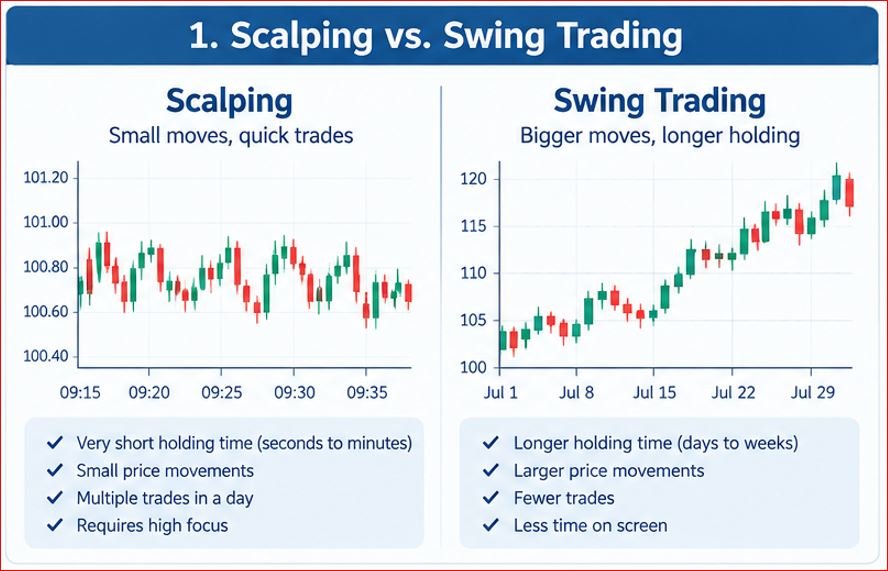
That might sound like a sensible rule, but scalping doesn’t always work that neatly. That advice makes sense for swing trading, where a trade can run for days and give the price room to move. Scalping is a different game entirely. But you’re only in a trade for minutes, sometimes just seconds — there simply isn’t enough time or room for price to reach a 1:2 target on every single trade.
So out of 1:1, 1:1.5, and 1:2 — which one’s actually right for scalping? Truth is, there isn’t one answer that works across the board. It comes down to how the ratio plays against your win rate and your costs — and from there, finding what fits the way you personally trade. Let’s dig into it properly.
But that number alone doesn’t really tell you much. A 1:3 ratio looks great on paper, yet if you’re only winning 15% of your trades, you’re still going to end up in the red. Meanwhile, a 1:1 ratio might sound unimpressive, but win 65% of the time and it can make you real money. Risk-reward ratio and win rate are a package deal — you can’t judge one without the other.
Why Scalping Changes the Math
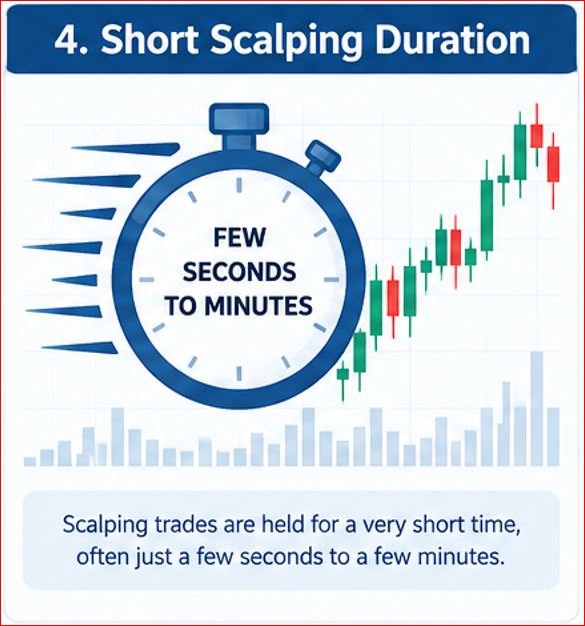
Scalping trades typically last anywhere from a few seconds to a few minutes, and profit targets are usually small — a handful of points on an index, or a few paise on a stock. Three factors specific to scalping affect which ratio makes sense:
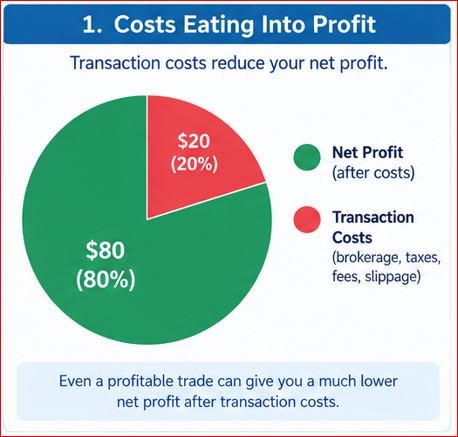
1. Transaction costs eat into small targets disproportionately. Brokerage, exchange transaction charges, STT, GST, and slippage are fixed or semi-fixed costs per trade. On a swing trade targeting a large move, these costs are a rounding error. On a scalp targeting a handful of points, they can eat up a meaningful chunk of the profit. This pushes many scalpers toward a lower reward target relative to risk than textbook “1:2 or higher” advice would suggest, simply because a 1:2 target may take too long to hit and expose the trade to more market noise and cost drag.
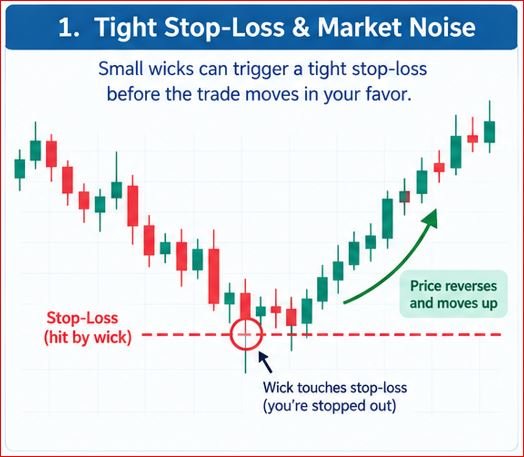
2. Tighter stops mean more noise-related stop-outs. A scalper’s stop-loss is often just a few ticks away from entry. Ordinary market noise can trigger that stop even when the broader move eventually goes in the trader’s favor. This tends to lower a scalper’s realistic win rate compared to a swing trader using a wider stop.
3. Speed limits how far reward targets can realistically extend. Because scalping trades are closed quickly, there’s less time for the market to travel toward a distant target. Chasing a 1:2 or 1:3 ratio on every scalp often means sitting in trades longer than the strategy is designed for, which changes the nature of the trade itself.
Breaking Down Each Ratio
1:1 Risk-Reward
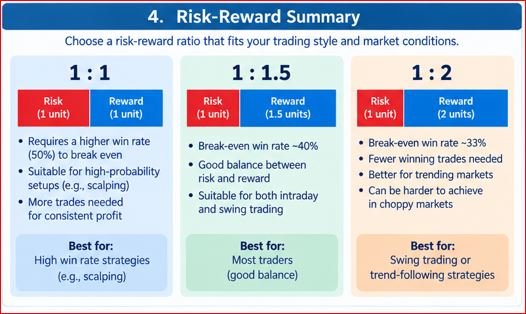
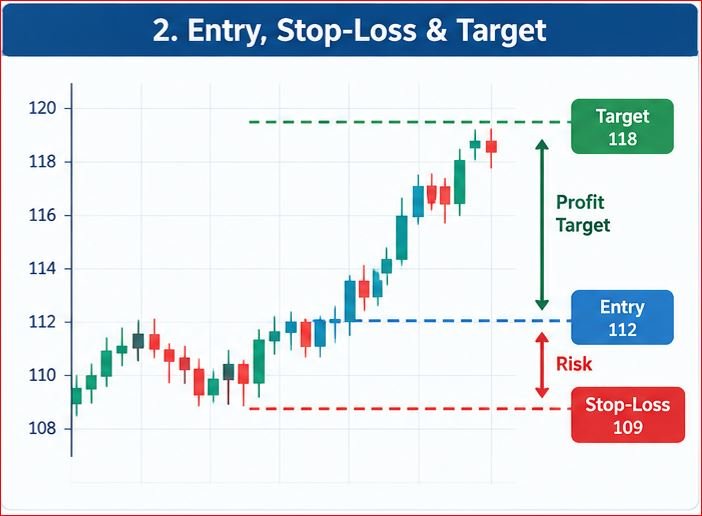
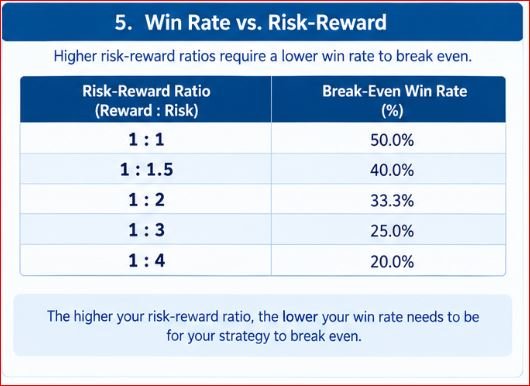
With a 1:1 ratio, your stop-loss and target are the same distance from your entry. This is the most forgiving ratio in terms of win rate — trading breaks even (before costs) at a 50% win rate, and any win rate above 50% turns a profit.
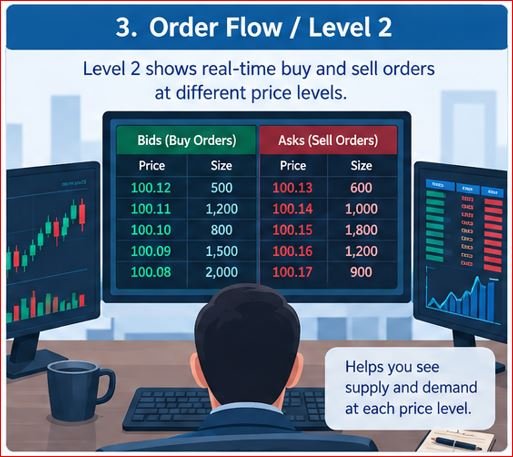
This ratio suits scalpers who have a genuine edge in identifying short-term direction — for example, those trading off order flow, level-2 data, or fast-reacting to specific technical triggers — and who can win more often than they lose because their entries are precise. The tradeoff is that transaction costs matter more here, because a 1:1 ratio needs a win rate comfortably above 50% just to cover costs and turn a real profit, not just break even on paper.
1:1.5 Risk-Reward
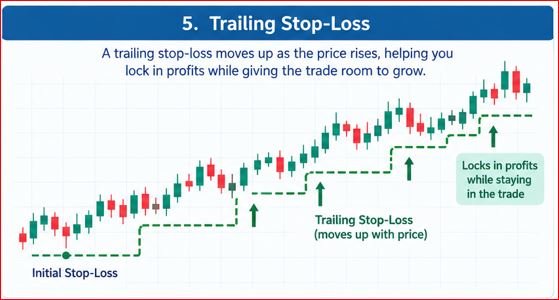
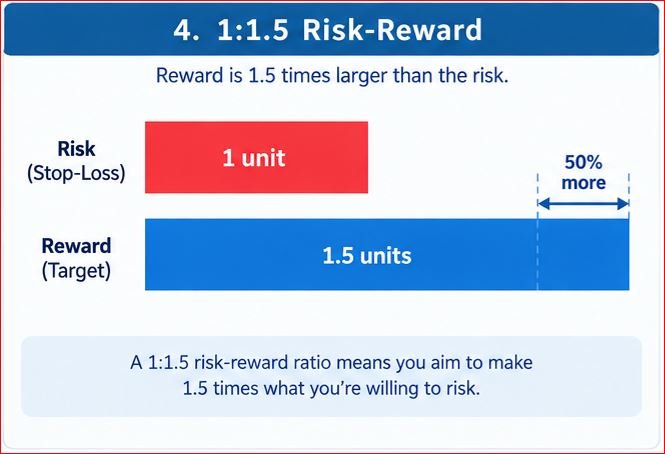
Go with a 1:1.5 ratio and you only need around a 40% win rate to break even before costs — a little more cushion than what 1:1 gives you.. This ratio often works well for scalpers who let a portion of their winning trades run slightly further — for instance, trailing the stop after price moves a bit in their favor instead of taking profit at the very first small target.
Many scalpers gravitate to this middle ground because it doesn’t demand an extremely high win rate, but it also doesn’t require the price to travel unrealistically far within the tight timeframe scalping allows.
1:2 Risk-Reward
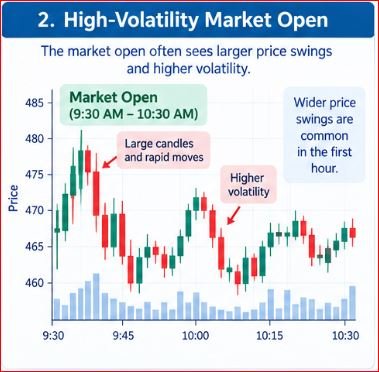
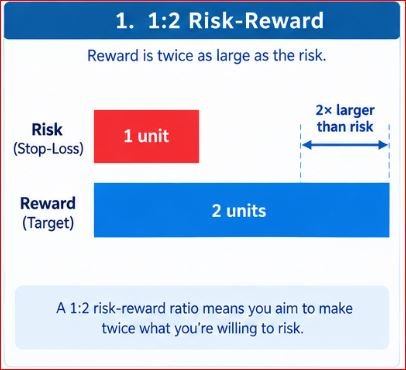
A 1:2 ratio needs only about a 33% win rate to break even (before costs) — mathematically the most forgiving on win rate. That said, in scalping, actually hitting a target that’s twice your stop-loss distance, within such a short window, is tougher than it sounds — especially when volatility is low or the market’s quiet. Some traders manage a 1:2 during high-volatility stretches, like the first hour after Nifty or Bank Nifty opens, or around big news events. But try forcing that same ratio on every quiet, low-volatility setup, and you’ll often just end up sitting in the trade way longer than a real scalp should ever take.
The Math: Win Rate + Ratio = Expectancy
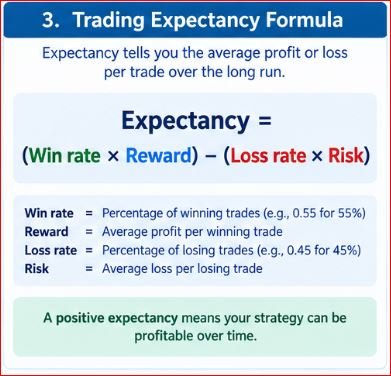
One simple way to get a rough idea of whether a trading strategy makes sense is to look at its expectancy:
Expectancy = (Win Rate × Reward) − (Loss Rate × Risk)
Say you’re scalping at 1:1 and winning 55% of your trades: your expectancy works out to (0.55 × 1) − (0.45 × 1) = +0.10 per trade, in risk units.
Now say you’re scalping at 1:2 and winning 35% of your trades: that comes to (0.35 × 2) − (0.65 × 1) = +0.05 per trade.
Both can be profitable — but the 1:1 example needs a genuinely strong win rate to get there, while the 1:2 example has more room for error on individual trades but needs enough winners to still clear 33%+ after costs are subtracted.
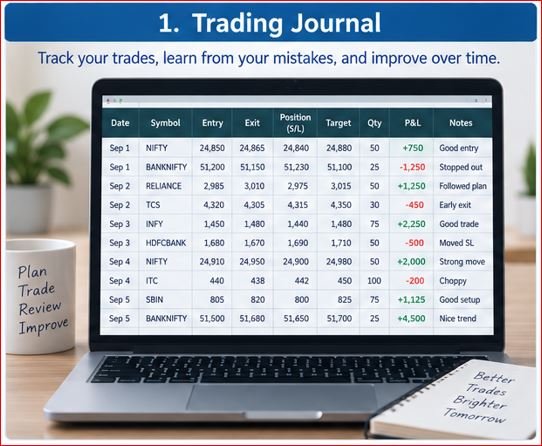
The only way to know which ratio actually fits your scalping style is to look at your own trade log: your real win rate, on your actual instrument, at your actual timeframe. Guessing a ratio in advance and hoping it works is far weaker than testing it against 50–100 of your own past trades.
Don’t Ignore Transaction Costs
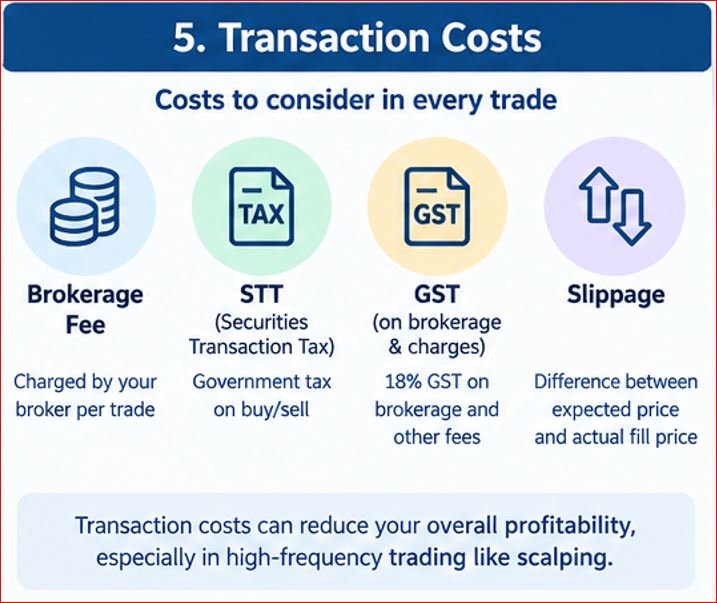
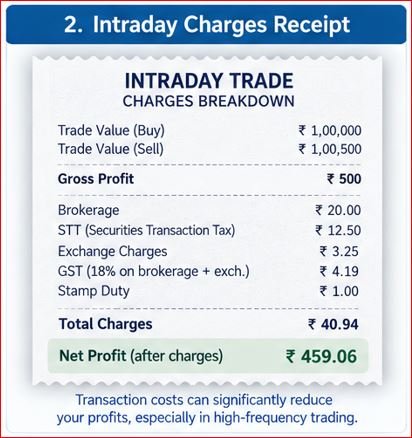
This is where many scalpers get the math wrong. Brokerage (even with discount brokers), STT, exchange charges, GST, and stamp duty are charged per trade, and scalpers place far more trades than swing traders. A target that looks profitable on a price chart can turn into a loss once these costs are subtracted, particularly on a 1:1 ratio where the profit margin per trade is already thin.
Before settling on a ratio, calculate your actual round-trip cost per trade on your broker and instrument, and subtract that from your expected reward. A “profitable” 1:1 strategy on paper can become a losing one in practice if costs aren’t accounted for.
Market Conditions Matter More in Scalping
Because scalping trades are so short, the specific conditions during the trade — volatility, liquidity, and time of day — affect which ratio is realistic far more than they would for a longer-term trade.
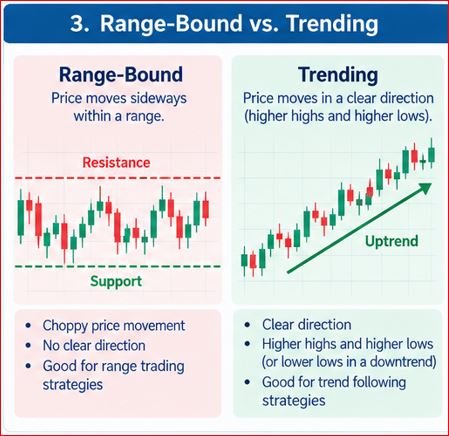
- High-volatility periods (market open, major data releases, index expiry days) can support a 1:1.5 or 1:2 ratio because price genuinely travels further in a short window.
- Low-volatility, range-bound periods often make a 1:1 ratio more realistic, since price isn’t likely to travel far enough to hit a distant target before reversing.
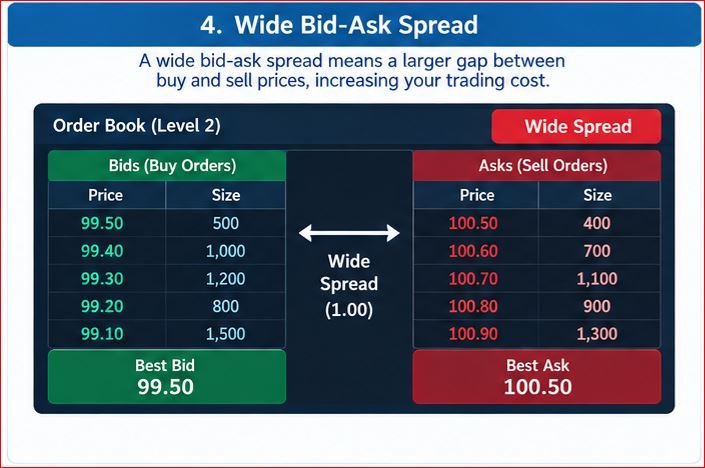
- Illiquid stocks or instruments with wide spreads effectively increase your risk (through slippage) without increasing your reward, which can quietly turn a 1:1 setup into something closer to 1:0.8 in practice.
Scalpers who adjust their target ratio based on the session’s volatility, rather than using one fixed ratio at all times, tend to have a more realistic picture of what the market can actually offer them.
A Practical Way to Choose Your Ratio
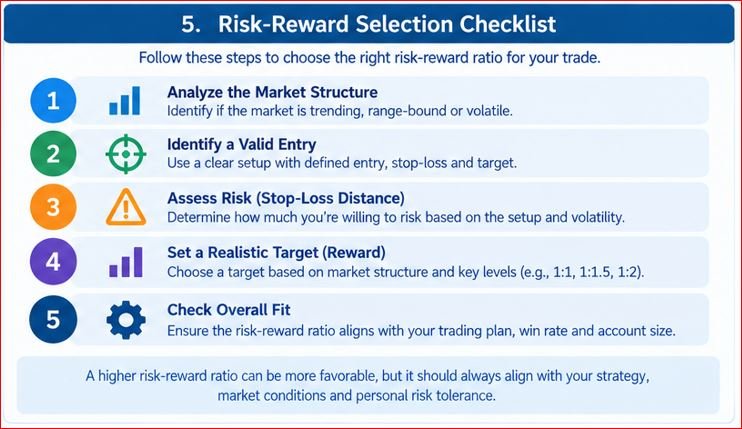
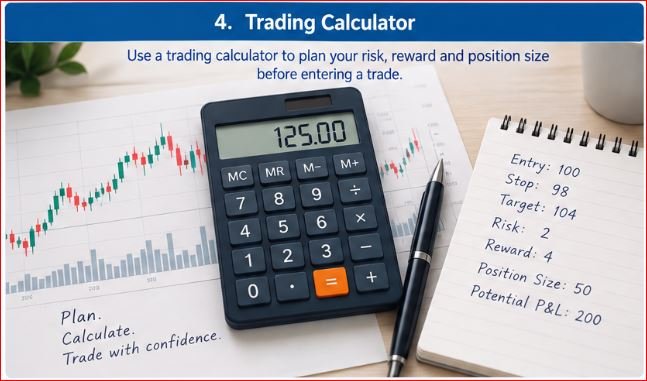
Rather than picking a ratio because it “sounds right,” work through these steps:
- Pull your last 50–100 scalping trades (or paper trades if you’re new) and calculate your actual win rate.
- Calculate your round-trip transaction cost per trade on your specific broker and instrument.
- Run the expectancy formula above using your actual win rate for each of the three ratios — 1:1, 1:1.5, and 1:2 — and see which one comes out ahead once you’ve subtracted your costs.
- Match the ratio to your setup type. If your edge is about nailing precise, high-probability entries, 1:1 could be the better fit for you. If instead your edge is about catching short, sharp bursts of momentum, 1:1.5 or 1:2 might work better.
- Keep re-testing this over time. Win rates change as market conditions shift, so a ratio that worked well for a few months might not hold up forever — it’s worth revisiting.
Where Scalpers Often Go Wrong With Risk and Reward
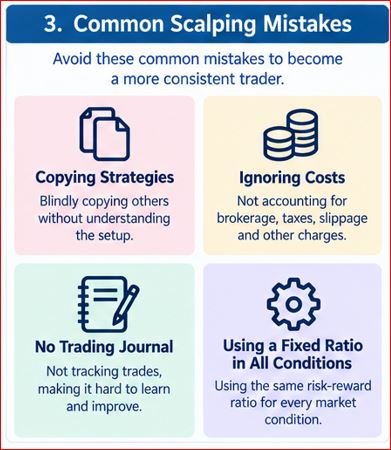
- Copying someone else’s ratio without checking their own win rate. A ratio that works for a trader with a 60% win rate won’t necessarily work for someone with a 40% win rate.
- Ignoring transaction costs when calculating expectancy, especially with high trade frequency.
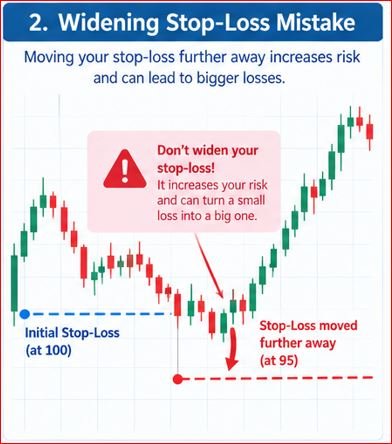
- Widening the stop mid-trade to avoid taking a loss, which quietly turns a planned 1:1 or 1:2 setup into something far riskier.
- Chasing a fixed ratio in every market condition, instead of adjusting for volatility and liquidity.
- Not keeping a trade log, which means decisions about ratio are based on gut feeling rather than actual performance data.
So, Which Ratio Is Best?
There’s no single ratio that’s universally “best” for scalping — it depends on your win rate, your costs, and the conditions you trade in. That said, a general pattern many scalpers find useful:
- 1:1 tends to suit scalpers with a high win rate and a precise, short-duration edge.
- 1:1.5 tends to suit scalpers who want a middle ground — a bit more room for the trade to develop without demanding an unrealistically fast move.
- 1:2 tends to suit scalpers focused on high-volatility windows where price genuinely has room to travel, or those comfortable with a lower win rate as long as expectancy holds up.
Honestly, the safest way to figure this out isn’t to just pick a ratio because an article recommended it — it’s to test all three against your own trade history and your own costs, and let your numbers tell you what actually fits how you trade.
This is meant for educational purposes only and isn’t investment or trading advice. Trading equities, derivatives, and currencies comes with real risk of financial loss — and neither past performance nor a theoretical expectancy calculation guarantees what happens next. Talk to a registered financial advisor and think carefully about your own risk appetite before you trade.
D. FAQs
1. Is 1:1 risk-reward good for scalping? It can be, especially for scalpers with a win rate meaningfully above 50%. Since a 1:1 ratio only breaks even at a 50% win rate before costs, it works best when your entries are precise and your win rate comfortably clears that threshold.
2. What win rate do I need for a 1:2 risk-reward ratio?
In pure math terms, you need around a 33% win rate just to break even, before you even factor in transaction costs. Because scalping involves more frequent trades, factor in your actual brokerage and other charges before assuming this ratio is automatically easier.
3. Why doesn’t the standard “always use 1:2” rule work well for scalping? That rule was built around swing and positional trading, where trades run for hours or days and price has room to travel toward a distant target. Scalping trades wrap up in minutes or even seconds, so hitting a 1:2 target isn’t always realistic in that kind of window — particularly when volatility is low.
4. How do transaction costs affect the risk-reward decision? Scalpers place far more trades than swing traders, so brokerage, STT, exchange charges, and slippage add up quickly. These costs can turn a theoretically profitable 1:1 setup into a net loss if they aren’t factored into the expectancy calculation.
5. Should I use the same risk-reward ratio in every market condition? Not always. Periods of high volatility — like the market open or expiry days — can make wider targets like 1:1.5 or 1:2 more achievable. Quieter, range-bound sessions often make a 1:1 ratio more realistic.
6. How can I figure out which ratio suits my own scalping style? Go back through your last 50–100 trades, work out your real win rate and your transaction costs, then run the expectancy formula against 1:1, 1:1.5, and 1:2 to see which one actually delivers the best net result for how you trade.
7. Is a higher risk-reward ratio always safer? Not automatically. A higher ratio can lower the win rate you need to break even, but it can also mean the trade takes longer to hit target and is harder to achieve consistently within a scalping timeframe, which can offset the theoretical advantage.