
Twenty 26 Forex Trading Strategies that Actually Work

If you’ve spent hours researching forex trading strategies only to feel more confused than when you started, you’re not alone.
Most lists of forex trading strategies read like an endless buffet menu — choose whatever appeals to you and hope it satisfies you. But that approach misses the point; choosing an approach tailored specifically for your schedule, temperament and account size is what takes time and expertise – something few trading courses provide a full explanation for.
Since I started trading currency pairs regularly for almost nine years, and having tried many strategies before settling on two that still work today. This guide walks through those that actually stand the test of time while discussing which are appropriate to you as well as risk management habits that determine whether any money is made at all from any trading endeavor.
Why Most Forex Trading Strategies Fail (Even Good Ones)
Unpleasant truth: strategy switching often proves fatal to trading accounts.
An unsophisticated trader might experience price action trading for two weeks before embarking on a losing streak that led to switching to moving average systems with multiple false signals – eventually jumping straight to scalping after watching YouTube videos tout its simplicity. Every strategy on this page can yield positive returns over a large enough sample size (50-100 trades); switching before this threshold has been reached means never actually testing anything and only accruing losses across six systems rather than learning one in depth.
Before reading on, make a decision: whichever strategy you select will run at least 60 trades on a demo account before being evaluated; this single rule can do more for your results than any indicator combination could ever hope to.
Price Action Trading Strategy
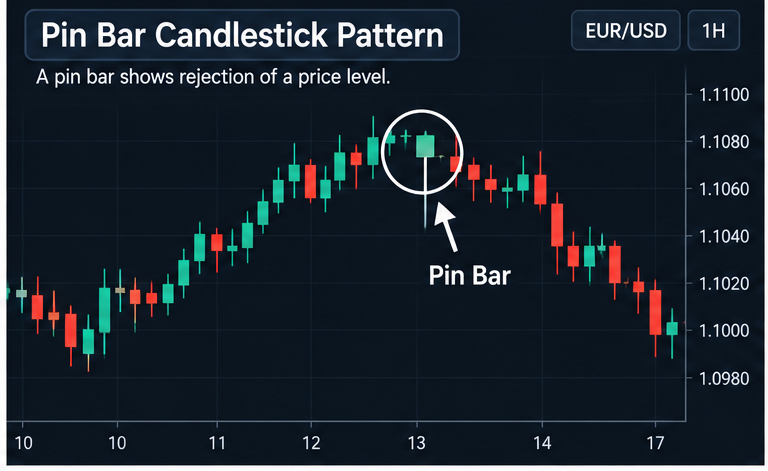
Price action trading involves reading candlestick patterns, support and resistance levels and market structure directly off of a chart — no indicators necessary! Traders look out for pin bars, engulfing candles or inside bars at key levels as entry signals to time their entries into trades successfully.
Why it works: understanding what’s actually happening in the market can make all the difference when creating strategies designed for busy workweeks. Furthermore, using any timeframe makes sense as indicators might lag behind market movements over time.
But learning to read candles accurately takes more practice and attention than most beginning candle readers anticipate, so give the experience proper screen time before passing judgement on any potential success or failures.
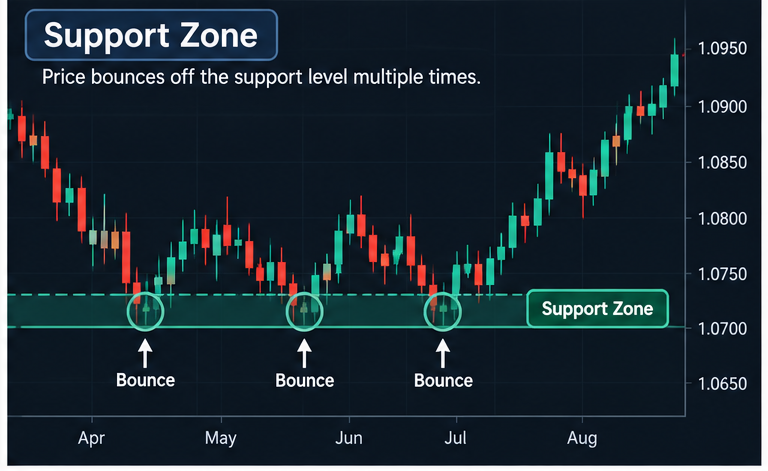
Imagine EUR/USD approaching a support level that has held three times in the past month and creating a bullish pin bar there with its lower wick rejecting lower prices – it would make an excellent price action entry strategy with stop loss just under its lower wick and target resistance zones further along its trajectory.
Trend Following (Moving Average Crossover) Strategy
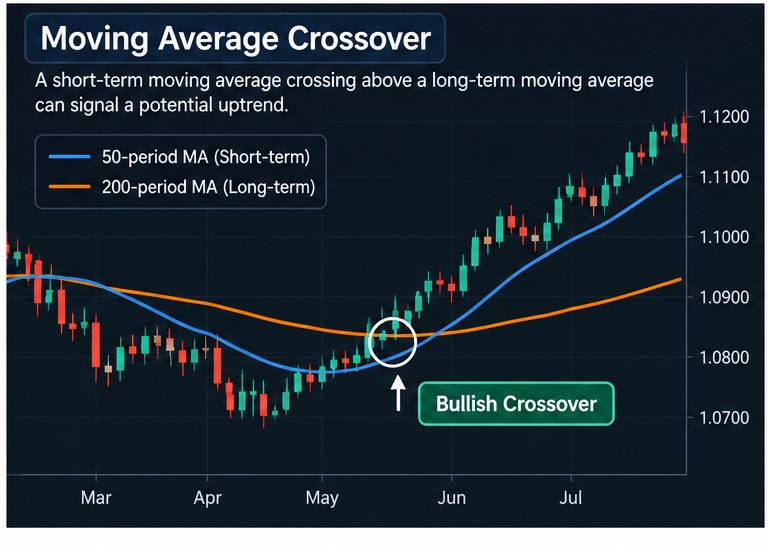
Beginners often begin trading using this strategy, and for good reason: its simplicity lies in both explanation and execution. Simply plot two moving averages (usually 50 and 200 period moving averages) and trade when one crosses over into another direction.
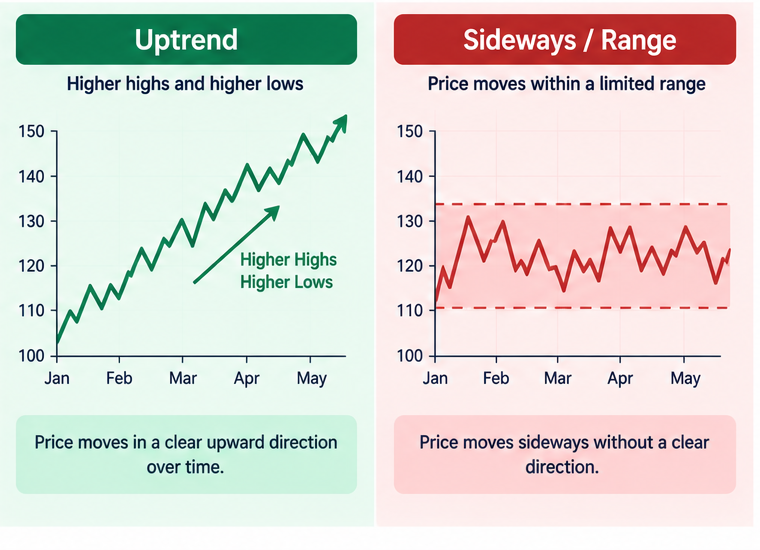
Assuming strongly trending markets exist, this strategy does well under those conditions but becomes less successful under more choppy and sideways conditions – conditions which, realistically speaking, exist on any given week in forex price action – something most “beginner strategy” articles don’t cover adequately.
Initial success using GBP/USD’s 50/200 crossover system: it worked beautifully during three weeks of clean trend and then gave back most of those gains during six weeks of range-bound chop; though my strategy wasn’t broken; rather it just didn’t suit its market condition properly.
Breakout Trading Strategy
Breakout traders anticipate when price breaks through a support or resistance level with strong momentum and enter in its direction of travel. This technique excels around major news releases or session starts (London/New York overlaps are ideal), when volatility significantly expands.
Works Well: High Volatility Sessions and Announcements of Central Banks
Not Recommended: Peaceful Asian Sessions and Low Liquidity Holiday Weeks Common Trap: “Fakeouts,” when price breaks through only to immediately turn back again — these “fakeouts” account for most beginner loses when using breakout strategies
An entry rule which includes waiting for candles to close past their respective levels rather than entering at their moment of touch can significantly decrease false-out losses and prevent fakeout losses.
Swing Trading Strategy
A swing trading strategy typically holds positions from several days to several weeks in an effort to capture larger pieces of price changes rather than short-term fluctuations. It suits those with full-time jobs because you won’t be tied down for hours at a time – often just checking charts every few hours will suffice!
Now I use this strategy on daily and 4-hour timeframes because watching five charts during work hours would be too time consuming and unnecessary. Check out this in-depth swing trading strategy guide for more.
Scalping Strategy
Scalping involves making multiple small trades daily with short hold times from seconds to minutes and targeting only small pips per trade. Scalping has long been promoted as being easy for beginners due to exciting videos — however this should not be taken at face value as successful scaling requires split-second execution, near zero spread costs, and total focus for hours at a time – it truly ranks among one of the more difficult styles in which to become profitable, not easier as its marketing suggests.
Those starting out should view scalping as something to pursue after they have established consistency elsewhere — not as their initial goal.
Carry Trade Strategy
Carry Trading (or “carry trading”) refers to investing in two currencies with differing interest rate differentials – typically, long and short ones – while collecting any interest differential (swap). It’s a long-term, lower frequency strategy used by traders who don’t wish to monitor charts daily.
Carry trading can be risky: currency pairs used in this strategy could quickly move against you and wipe out months’ worth of accumulation in just one bad week; especially under “risk-off” market conditions. Carry trading should never be seen as a “set and forget” approach despite what some marketers may suggest.
Choosing the Right Forex Trading Strategy for Your Schedule
TIME COMMITMENT, BEST MARKET CONDITIONS AND BEGINNER-FRIENDLY TREND FOLLOWING are Options Available, for Each Strategy Type in Each Market Condition >>. As follows for these four Strategies (not beginner friendly unless otherwise stated), their Time Commitments, Best Market Conditions, Beginner Friendly considerations are Price Action Medium-range or Trend Following Low Medium strong trends Yes
Breakout High (session timing matters, high volatility is moderated by swing trading low trending or ranging, Yes Swing Trading Low Trending or Ranging Yes Scalping Very High (constant screen time with liquid and low spread sessions no) Carry Trade Very Low Stable rate environments Moderate
If you work a 9-5 job, swing trading or trend following is likely more suitable to your lifestyle than scalping — no matter how good at scalping you may become.
5 Steps to Build Your Own Trading Strategy
Pick a timeframe and adhere to it for 60 trades before making judgment. Do not judge your strategy after only 10 trades as that constitutes noise rather than data.
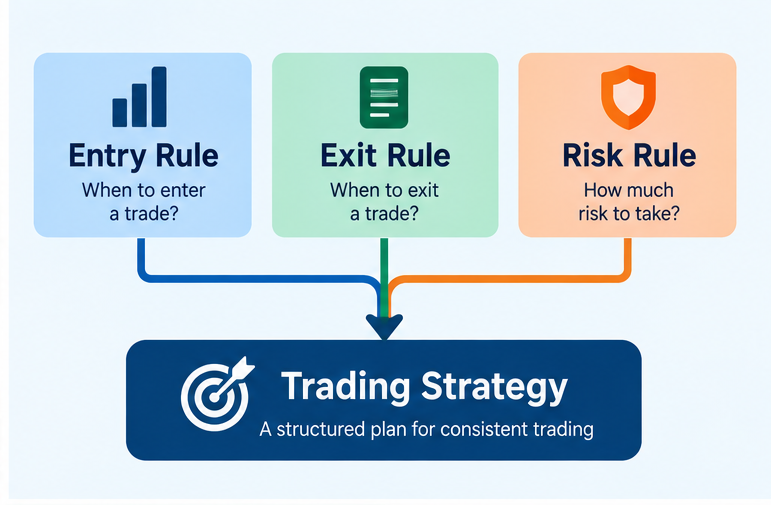
Define entry rules as one-sentence sentences because any definition more general would make testing inconsistently impossible.
Set your stop loss before entering, not after. Decide your exit when making your entry decision, not later on. Risk a fixed, small percentage per trade — most experienced traders tend to risk between 0.5-0.1% of account balance per position.
Journal every trade to document entry reason, outcome and any changes you would suggest for future performance. Patterns will emerge long before they manifest in your account balance.
Risk Management Rules That Matter More Than Strategy Itself
Most “strategy” articles completely gloss over this section – however it could make or break your trading success within one year! See our full risk management guide for a deeper walkthrough.
Assume no more than 1-2% risk on each trade; any string of five losses at 1% risks costs approximately 5% while similar string at 10% risks eliminates half your balance. In all trades use stop loss orders on every single position — no exceptions, and no “I’ll manage it manually”.
Avoid going beyond your risk tolerance threshold with leverage, since excessive leverage won’t improve the performance of any strategy; rather it magnifies wins and losses more dramatically and more rapidly.
Track both win rate and risk-reward ratio simultaneously for optimal profitability. A 40% win rate with a 1:3 risk-reward ratio can be more profitable than one with 70% wins at 1:1 risk-reward. Beginners tend to chase win rates rather than consider these more profitable metrics when trading Forex – though most do ignore this advice and instead chase wins blindly.
Downloadable Forex Trading Resources Worth Bookmarking
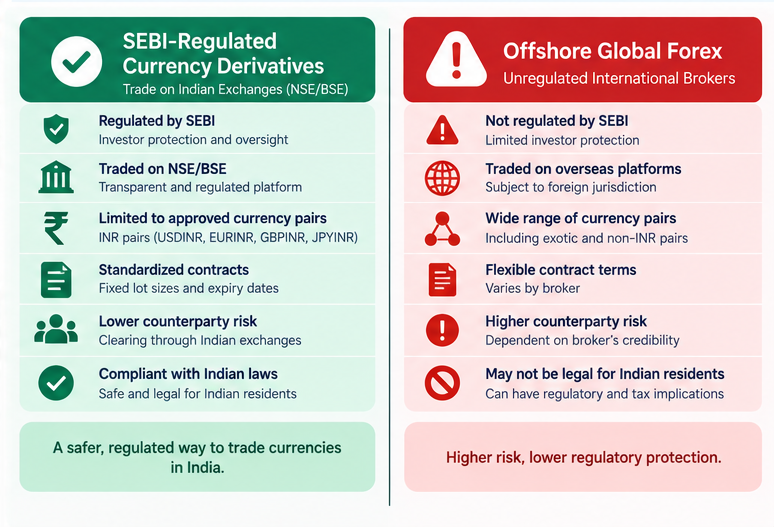
If you need something tangible to reference away from the screen, consider looking for PDF guides from regulated brokers’ education sections (most major brokers provide complimentary strategy PDFs as part of their onboarding material) — start by browsing to compare regulated forex brokers, or established trading education sites. Stay away from PDFs that guarantee win rates; that can often be an indicator that its material may not meet quality or scammy content regardless of how polished its download page may seem.
Common Mistakes That Sink Beginner Forex Trading Strategies
Trading an initial trading strategy on live accounts instead of testing it on demo, moving stop losses further out mid-trade to “give it more room”, or increasing position size after losses to “regain it faster”, is three common rookie mistakes which will thwart their plans and eventually come crashing down.
Maintaining entry rules without adhering to exit ones; Trading every currency pair instead of specialising in two or three.
Real Takeaways
These strategies aren’t secrets: what separates traders who do well from those who don’t usually comes down to something less exciting: taking one approach at a time with sufficient trades under its belt before passing judgment on its effectiveness is usually enough for success. Of course this answer might not satisfy anyone hoping for quick fixes — yet for me personally this honest route proved itself better in practice than any of them could.
Whichever direction you take, revisit these forex trading strategies only after logging enough trades to trust the data, not the emotion.
This article should only be taken for educational purposes and should not be taken as financial advice. Forex trading involves high risks; only invest money you can afford to lose and consult a qualified advisor when considering forex as part of your decision making process.
Frequently Asked Questions About Forex Trading Strategies (FAQs)
What strategies are effective forex strategies for beginners?
How should beginners approach forex strategies? Swing trading and basic price action tend to work best as entry strategies as they don’t require constant screen time or give traders enough room for thought before entering trades, unlike scalping which requires constant attention before placing trades.
Can Forex Trading Strategies Generate Consistent Earnings?
Can forex trading strategies generate consistent earnings? Some traders do, but success comes more from risk management and discipline than the strategy itself. Most losses result from overextended positions or abandoning it prematurely rather than from flaws within it itself.
What Is the Most Profitable Forex Trading Strategy?
What is the Most Profitable Forex Trading Strategy? There’s no one-size-fits-all answer here – profitability depends entirely upon your risk-reward ratio, win rate and market conditions – for example trend following may be highly successful when strong trends emerge whereas it can become unprofitable or even negative in volatile or choppy environments.
What Forex Trading Strategies Should I Learn?
What forex trading strategies should I learn? Mastery of one or two strategies should take precedence over learning all five. Target mastering just one approach across 50-100 trades before adding any others.
Do Forex Trading Strategies Work?
Do forex trading strategies work? Yes, but by “working,” I mean having a statistical edge across many trades — not winning every time around. Any strategy may experience losing streaks; what matters is whether its overall profitability remains profitable over 100+ trades with proper risk management in place.
How Do Professional Forex Trading Strategies Differ From Retail Approaches?
Professional Forex strategies vary significantly among professional traders and institutional institutions, usually employing both trend-following systems with strict risk controls as well as disciplined position sizing techniques rather than depending solely on one single technique. The common thread that exists across them all, though, is disciplined position sizing rather than secret indicators.