
Broker Trading in India: What It Means and How to Choose the Right One
If you’ve started poking around at investing in Indian stocks, you’ve probably run into “broker trading” more times than you can count — in ads, in YouTube explainers, in comparison articles that all somehow say the exact same thing in a different order. Underneath the noise, it’s not a complicated idea. But the details matter a lot once real money is on the line.
So let’s actually get into it: what a trading broker does, how a broker trading app differs from a full broker trading platform, what people mean when they search “broker trading adalah” (it just means “what is broker trading”), and — probably the most useful part — how you tell a trustworthy broker from one you should stay away from.
What Does “Broker Trading” Actually Mean?
Here’s the thing most people skip past: you can’t just log onto the NSE or BSE and buy shares yourself. You need a SEBI-registered broker sitting in between you and the exchange — someone to route your order, confirm the trade went through, and settle it via the depository system. That’s the whole job, at its core.
“Broker trading” is just the everyday phrase for buying and selling securities through that middleman — stocks, mutual funds, F&O, currency derivatives, commodities, whatever. And a decent broker usually does more than pass along your order. Research reports, margin funding, your demat account, customer support, the app itself — a lot of that sits under the same roof.

Because a broker is basically your entry point into the whole market, it’s worth picking one carefully the first time. The alternative is dealing with account-transfer headaches later, or discovering a fee you didn’t know existed, or watching an app freeze on you right when the market’s moving.
Broker Trading Adalah: What Is a Broker, In Plain Terms
If you’ve seen this phrase floating around, it’s simply someone asking “what is a trading broker.” Nothing more mysterious than that. In plain terms: a trading broker is a SEBI-registered entity (or, for certain products, regulated elsewhere — RBI covers some currency products) that’s legally allowed to place buy and sell orders for you on an exchange, and to hold or help hold your securities through a depository.
Two categories are worth knowing:
- Full-service brokers — research, relationship managers, a wider spread of products, usually pricier.
- Discount brokers — low-cost or flat-fee, app-first, and mostly hands-off when it comes to advice.
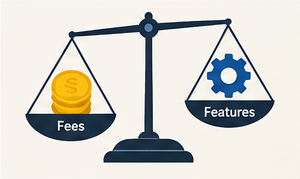
Neither is “better” in any absolute sense. If you want someone guiding you and don’t mind paying for it, full-service makes sense. If you’re comfortable making your own calls and care more about keeping costs down, discount brokers exist for exactly that.
App or platform — does it actually matter?
People toss around “app” and “platform” like they mean the same thing. They don’t, not quite — they’re cousins, not twins.
A broker trading app is what most people actually live in day to day — checking prices, placing orders, glancing at the portfolio, keeping an eye on a watchlist. It’s built for speed and simplicity. Apps are built for convenience: quick logins, simplified charts, and streamlined order placement.
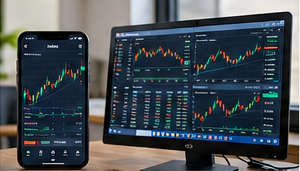
A broker trading platform is the bigger umbrella — desktop software, a web terminal, sometimes API access, on top of the app. Traders doing options, futures, or anything algo-driven tend to lean on a desktop terminal because it just shows more at once — multiple charts, the order book, option chains, Greeks, all in one view.
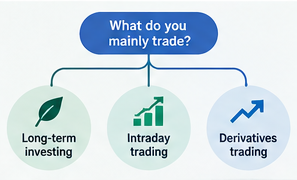
If you’re investing long-term and checking in a couple times a week, honestly, the app is probably all you’ll ever need. If you’re trading intraday or in derivatives, it’s worth actually testing the desktop platform before you commit — execution speed and how deep the charting goes matter a lot more once you’re trading fast.
How to Tell If a Broker Is Trustworthy (Broker Trading Terpercaya)
This translates to “trusted trading broker,” and it’s arguably the part of this whole topic that matters most. India has had its share of unregistered platforms promising returns that were never realistic to begin with.
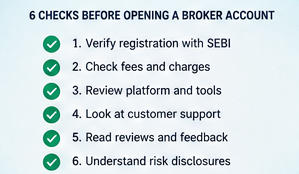
Before opening any account, run through this:

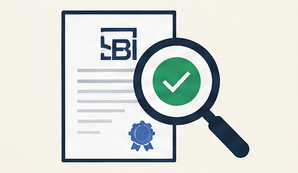
- Confirm SEBI registration. Every legitimate stock broker in India must be registered with SEBI. You can look up a broker’s registration number directly on SEBI’s official website through its intermediary search tool, rather than trusting a claim made on the broker’s own marketing page.
- Check exchange membership. A broker executing equity trades should be a member of the NSE and/or BSE. This information is usually listed in the footer of the broker’s official website and can be cross-checked on the exchange’s own member directory.
- See how long they’ve been around and how clean their regulatory record is. SEBI publishes enforcement actions, and the SCORES portal shows investor complaint data — a quick look tells you if a broker has a pattern of unresolved grievances.
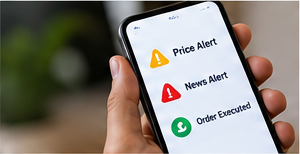
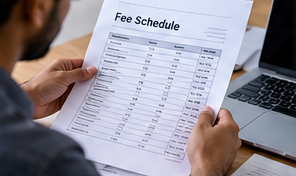
- Actually read the fee schedule, not the version in the ad. Brokerage, account maintenance, call-and-trade charges, statement fees — these pile up fast if you’re not watching.
- Test customer support before you need it. Try their support chat or helpline with a basic question before committing significant capital.
- Check where your funds and securities sit. Your shares should be held in your own demat account with a depository (NSDL or CDSL), not pooled in a way that makes ownership unclear.

None of this takes more than half an hour, honestly. But it’s the difference between catching a red flag early and finding out the hard way.
“Broker trading terbaik” — why there’s no single best answer
This one means “best trading broker,” and I’ll just say it straight: there isn’t a universal best. It depends entirely on how you plan to use the account.
Ask yourself a few things first — what are you actually going to trade most? Someone doing long-term equity or mutual funds needs something completely different from someone trading options every day. So which one do you actually need? Depends on what you care about more. Is it the fees, or is it just knowing the thing won’t glitch on you at the worst possible moment? And on the flip side — do you want someone walking you through research and strategy, or would you honestly rather just sort it out yourself and not pay for hand-holding you don’t need? And — this one gets overlooked — is the app itself actually pleasant to use, or does it crash the moment the market gets busy? A cheap broker with a flaky app can end up costing you more than what you saved on brokerage.
Instead of chasing whatever tops this month’s “best broker” listicle, shortlist two or three that actually fit how you trade, and if it’s practical, open small test accounts before putting real capital in.
Opening an account — what it actually looks like
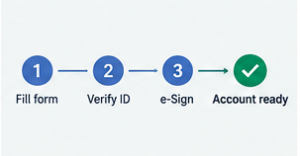
Most of this is digital now. Broadly, you’re looking at:
- PAN, Aadhaar-linked e-KYC, a bank account, a cancelled cheque or statement, a signature.
- An in-person verification step — usually a video call these days instead of paperwork.
- Linking your bank for transfers.
- Picking your segments — equity delivery, intraday, F&O, currency, commodities — some of which need extra disclosures or proof of income.
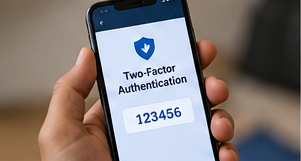
- Setting up two-factor authentication and actually reading the fee terms before you sign off.
Most brokers get you set up within a day or two once your documents clear, though it varies broker to broker.
Mistakes people keep making
A few patterns show up again and again, no matter which broker someone picks:
- Trusting app store ratings as a stand-in for actual reliability — they measure a lot of things that have nothing to do with execution quality.
- Not understanding the gap between delivery and intraday charges until a bill surprises them.
- Skimming past margin and leverage terms. Leverage cuts both ways, and margin calls can happen faster than people expect.
- Handing over login details or trading off someone else’s tip without actually understanding the position.
- Bouncing between brokers chasing a slightly lower fee, without factoring in the hassle of moving everything over.
On risk — the part that’s easy to skip
Here’s the part people like to skim past, though: trading and investing come with real risk attached, full stop. How a stock, a fund, or some strategy performed last year tells you basically nothing guaranteed about next year. What you’re reading here is general, broad-strokes information — it isn’t advice built around your specific situation. If you’re not sure how much risk you can actually stomach, or what the tax side looks like for you, or which products even make sense for your goals, that’s a conversation for a SEBI-registered investment adviser — not something to figure out from a broker’s Instagram ad or a stranger’s “sure thing” tip online.
Bottom line
Strip away the branding and broker trading is just your relationship with a regulated middleman who gets you into the market. The app or platform is the interface sitting on top of that. What actually keeps you safe is the broker’s regulatory standing, how upfront their fees are, and whether their support actually shows up when something goes sideways.

Before you open an account, spend more time verifying registration and reading the fine print than comparing app designs. You’ll notice the interface every day — but the registration and the fee structure are what protect you on the day it counts.
FAQs
1. What’s the actual difference between a broker and a sub-broker in India?
A broker’s registered straight with SEBI and holds their own exchange membership. A sub-broker — these days you’ll hear “authorised person” more often — works under a main broker’s registration instead of carrying an independent license of their own.
2. Are my shares actually safe with a discount broker?
Your shares don’t sit with the broker at all, really — they’re held in your demat account through a depository, either NSDL or CDSL. That’s the whole point of the depository setup: it protects what you own no matter which broker you’re using, as long as that broker is genuinely SEBI-registered.
3. Can I run accounts with more than one broker at the same time?
Yeah, nothing stopping you there. It just means a bit more juggling when tax season rolls around and you’re trying to pull consolidated statements together from different places.
4. Does “broker trading adalah” just mean forex trading?
Not really, no. Broker trading covers a lot of ground — equities, derivatives, commodities, currency, take your pick. Forex or currency trading through an Indian broker actually sits under its own separate rulebook, with its own limits on products and leverage.
5. What do I need on hand to open an account?
The basics: PAN card, Aadhaar for e-KYC, a bank account you’ll link for transfers, a cancelled cheque or recent statement, a passport photo, and you’ll need to get through an in-person or video verification step somewhere along the way.
6. How do I actually confirm a broker is SEBI-registered?
Skip trusting whatever number’s sitting on the broker’s own homepage — head to SEBI’s intermediary search tool on sebi.gov.in and look it up yourself. Takes two minutes.
7. Do trading apps end up costing more than the desktop version?
Generally, no — the brokerage and fees stay the same whether you’re tapping through the app, using the web platform, or running the desktop terminal. If there’s a price difference anywhere, it’s almost always tied to the segment you’re trading in or the order type, not the screen you’re using.