How to Choose an Online Stock Broker
The process of choosing a stock broker on the internet is a bit like choosing an institution in your early 20s and you’re aware that this is important, however you’re not sure of the specifics but you’re looking to make sure you’re not cheated due to a charge you did not expect to pay. I’ve had to close more trading accounts than I’d prefer to admit across three different countries. But the truth is that the vast majority of articles on comparison concentrate on the wrong aspects first. This article explains what’s important, in the sequence it is important, regardless of regardless of whether you’re opening your very first account with a demat in Mumbai or trying to compare accounts that are regulated by FCA in London.

What an Online Stock Broker Actually Does for You
A stock broker online is a licensed intermediary who is in between you and the exchange. There is no way to go directly to the NSE or the LSE or NGX and purchase shares direct and you’ll require an authorized intermediary who can route your purchase, store the securities you’ve purchased, and record the transaction. That’s it, structurally. All the rest — charts, research tools as well as robo-advisory and IPO access an added feature on top of the fundamental function.
What people are often confused about is that they believe that an app with flashy graphics is a better broker. That’s not the case. The status of the regulation is more important than the design of interfaces and it’s an issue worth chatting in before you take a look at any fee calendar.

Discount Brokers vs Full-Service Brokers
This is the very first alternative to the highway, and this is a real exchange, not a “one is objectively better” scenario.
Discount Brokers provide flat or nearly-zero charges and do not charge extra fees. The platform is an execution one but not much support. Fully-service brokers cost more, but they bundle into studies, reports on relationships, dedicated managers and, sometimes, advise on portfolios.
| Factor | Discount Broker | Full-Service Broker |
|---|---|---|
| The typical broker | Flat fee of Rs0-20 per quantity (India-style pricing) | Percentage-based, often higher |
| Research and advice | Pay-per-click or rare | Usually, it is included |
| Best for | Trading with self-direction, actively engaged | For those who are just beginning and need help |
| Account opening | Completely digital, minutes | Branch- or digitally assisted |
| Customer support | Most of the time, chat or ticket-based | Telephone + relationship manager |
This is where I’ll take a stand against the advice that’s available all over the place: “always pick the broker with the lowest fees.” This isn’t always the case. I turned to a rock-bottom discount program during a tense weeks of expiry for options, it froze up for just six minutes the moment I was required to end an option — this gap was more expensive than what a whole year’s savings on brokerage would have paid for. If you’re active in trading or deal in derivatives, platform performance and stability can be worth paying more. If you’re purchasing and storing just a few stocks per year, then the cost difference isn’t much of a concern. Instead, optimize your interface to ensure it’s clean.

7 Things to Check Before You Open a Trading Account
- Registration with the regulator Verify the license number of the broker by visiting the regulator’s official website rather than the broker’s claims.
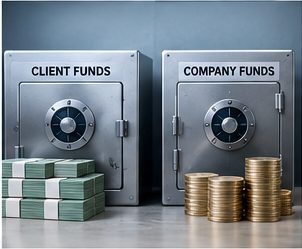
- How your money is stored Is it client funds held in a segregated bank account independent of the broker’s own money?
- Hidden and brokerage charges Account opening, annual maintenance fee for inactivity and withdrawal charges add up more quickly than what the advertising headline “zero brokerage” ad suggests.
- The speed of execution of orders which is especially important when trading intraday or during volatile session.
- Access to products includes equity ETFs and mutual funds derivatives and stocks from around the world aren’t offered by all brokers.
- Support channels for customers Make sure there’s a live phone number, not just a chatbot to help if something isn’t working that involves actual cash on the line.
- Platform and App reviews over the past 6 months Old reviews aren’t updated to reflect any recent interruptions or changes to fees.

How to Open an Online Trading Account: Step by Step
- List 2-3 brokers that are regulated Based on the list that was mentioned above. Not just an influencer’s suggestion.
- Get your proof of identity such as government identification and proof of address and a bank card with your name on it will be required nearly all the time.
- Complete E-KYC Most brokers can now prove identity in just a few minutes, using biometrics or paper-based tests.
- Join to your account with your bank to withdraw and fund.
- You can fund your account by utilizing a tiny trial amount, but it’s not your entire amount of investable capital.
- Make a experiment on a stock that you are familiar with, only to ensure that settlement and execution are as you would expect.
- Install two-factor authentication prior to doing any other thing. This process is often skipped over and shouldn’t be.
Best Online Stock Brokers in India: What’s Actually Changed in 2026
The Indian market for brokerage has changed significantly. Groww has taken over Zerodha as the largest Indian brokerage by active client base in 2026. This is largely due to the basis of a simple onboarding process and extensive mutual fund integration, although its derivatives and charting tools aren’t considered to be as modern as Zerodha’s. Zerodha, Upstox, Angel One, and 5paisa remain among the major discounters as do ICICI Direct, Kotak Securities, HDFC Sky, and Sharekhan are still leading the category of full-service brokers for clients who need support with research along with execution.

It’s also important to note that SEBI’s reforms to derivatives — including larger size contracts and less weeks of expiry — actually transformed the financials of the traders who trade on a regular basis, and that ripple effect is one of the reasons why the growth of active clients has been slowed across the entire industry up to 2026. Any broker you select within India is SEBI registered as well as you should be able to verify your registration through the SEBI as well as the NSE/BSE website prior to making a deposit to the account.
Online Stock Brokers Outside India: A Quick Regulatory Map
If you’re looking for information in a different country than India The broker landscape and regulators you must examine both changes by the country you’re in. There are a few things to consider before comparing platforms:
United Kingdom
UK brokers need to be approved to operate by the Financial Conduct Authority (FCA) as well as eligible assets of clients are usually protected under the Financial Services Compensation Scheme that is available up to PS85,000. Many internationally-known brokers provide UK clients via FCA-regulated companies, in addition to Stocks and Shares ISA options.
Australia
Australian brokers are monitored by the Australian Securities and Investments Commission (ASIC). Find specifically an Australian Financial Services Licence (AFSL) number that you can check through the ASIC’s register of public records.
Nigeria
Brokers that deal in Nigerian Exchange (NGX) listed shares are required to register in the Nigerian Securities and Exchange Commission (SEC Nigeria). Verify the status of a member by contacting the NGX prior to establishing an account.
Philippines
It is the Philippine Stock Exchange (PSE) is operated by SEC-licensed traders. A number of long-standing local brokerages provide trading online platforms, as well as the newest digital-first entry points.

Ghana
Brokers that trade via the Ghana Stock Exchange (GSE) are regulated through Ghana’s Securities and Exchange Commission. It is a smaller market therefore liquidity and maturities are different than those in bigger markets.
Kenya
The Capital Markets Authority (CMA) of Kenya authorizes brokers to trade via the Nairobi Securities Exchange (NSE Kenya). The availability of trading on mobile devices has grown fast in Kenya.
Pakistan
The Securities and Exchange Commission of Pakistan (SECP) oversees the brokers operating on the Pakistan Stock Exchange (PSX) and accounts opening has become becoming increasingly electronic through an arrangement known as the Centralised KYC Organization (CKO) structure.
Ireland
Irish residents usually invest via brokers that are regulated by the Central Bank of Ireland or via other platforms that are regulated by the EU and UK which operate in accordance with passporting rules considering that Ireland’s exchange is rather tiny.
No matter where you are where you are, the basic test won’t alter: verify the regulatory as well as the license number and also confirm the location the location where your securities and money are kept.

Common Mistakes First-Time Investors Make With Brokers
Certain patterns appear repeatedly. Customers are enticed by the cheapest brokerage and do not pay attention to the annual fees for maintenance and this can slack off savings. It is common for people to not read how withdrawals are handled until they attempt to withdraw, only to discover that they are held for 3-5 days. Many people believe that a popular application is the most secure one. But the two don’t mean the same thing though they do cross paths.
A final thing no one tells newcomers their first brokers: it’s likely that the broker you choose isn’t going to be your final. That’s fine. Consider the opening of a new account as a changeable decision not as a commitment for the long term.
Broker Fees Explained: What You’re Actually Paying For
The costs of brokering generally fall into the following categories: commission or brokerage for each trading transaction, accounts opening fees and annual maintenance fees as well as statutory fees such as tax on transactions and stamp duty (which differ by country and can change according to regulations) along with the fees for withdrawal or payment gateways. Any figures that are mentioned online and in this post are to be considered indicative ranges, not as the current rates. Brokers change their fee structure frequently but the most accurate number is found that is displayed on their live fee page, at the time that opening an account. This article doesn’t constitute any financial advice. Talk to a certified financial professional to find out more specifically tailored to your situation.
Frequently Asked Questions (FAQs)
Can you safely save money using an internet-based stock brokerage? It’s generally safe by using a licensed broker, as long as the client’s security and funds are kept separately from the company’s operational fundsAlways verify this rather than taking it for granted.
Do I need to have more than one trading accounts? Yes, in the majority of countries, you are able to have accounts from multiple brokerages simultaneously Many active investors use this method in order to reduce the risk of platform risks.
What’s the minimum value required to get started using an online stock broker? This varies widely depending on the country and broker -Some allow account opening as well as your initial trade using very little quantities, while other brokers require higher amounts for particular services such as margin trading.
How long will it take to establish an account for trading online? Digital KYC has allowed this to be done quickly in the majority of markets, usually same day or even within a few days after documents have been checked, but it may be longer for full-service accounts or accounts that are offline-assisted.

Do stock brokers online have a charge to keep their accounts active? Some do, especially certain full-service or international platforms. Make sure you read the fees for inactivity prior to opening an account that you may not frequent.
What will happen to my shares in the event that my broker goes out of business? In most well-regulated markets, your shares are kept under your own name on the custodian or deposit account which is separate from the broker’s, which is why examining rules and custody arrangements is more important more than just one features comparability.

The Real Takeaway
What is the “best” online stock broker can’t be determined with certainty -the best option is the one that is compatible with how you intend to invest. This is based on the cost structure that which you’ve read the details of. The first step is to check the regulator’s rating and not just the rating of an app store as everything else is a lot simpler.