Silver Trading Online: A 2026 Guide for Indian Investors
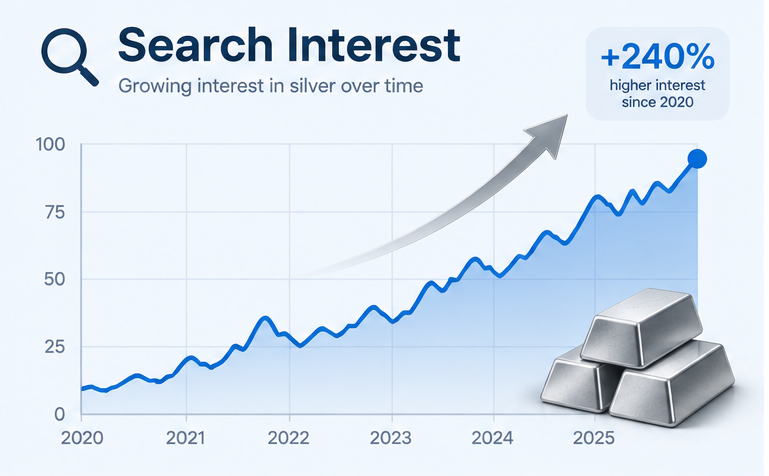
Silver is quietly becoming one of the top searched items by Indian consumers, which is not without reason. The prices have fluctuated enough to draw traders, but the metal is like it’s more “reachable” than gold for many first-time investors. However, the problem is that many guides drown you in the jargon of the market or simplify things until they become unhelpful. It’s not the same for this one. At the end of this you’ll be aware of what online silver trading is, what it means, and which option best fits your objectives, as well as which areas people (myself as well) are likely to get confused.
What Is Silver Trading Online, Really?
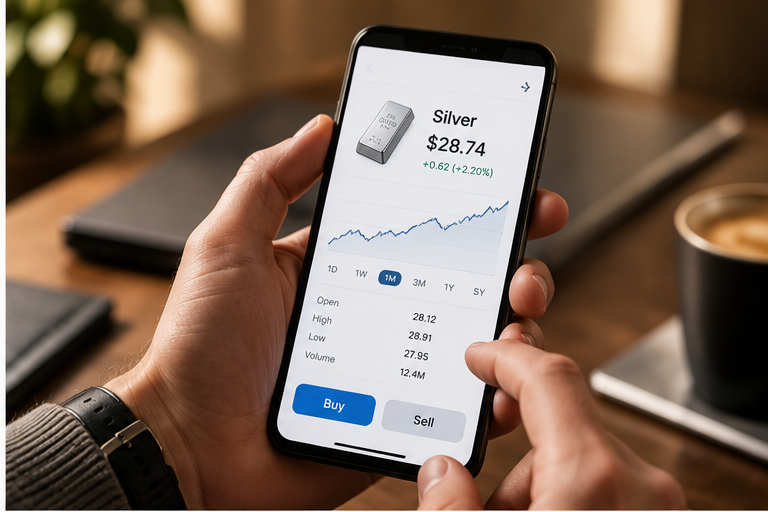
The term “silver trading” online simply means purchasing and selling silverand contracts that depend on the price of silver — on the internet instead of going into the store selling bullion. That’s it. There’s no middleman between your and the counter with glass.
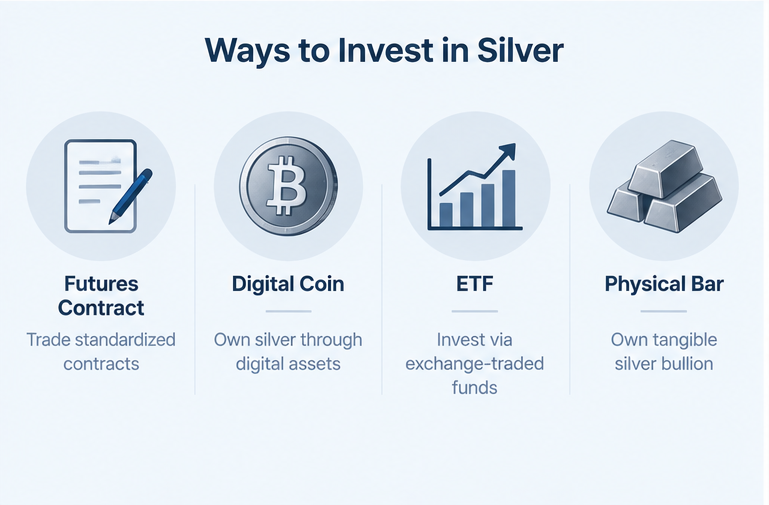
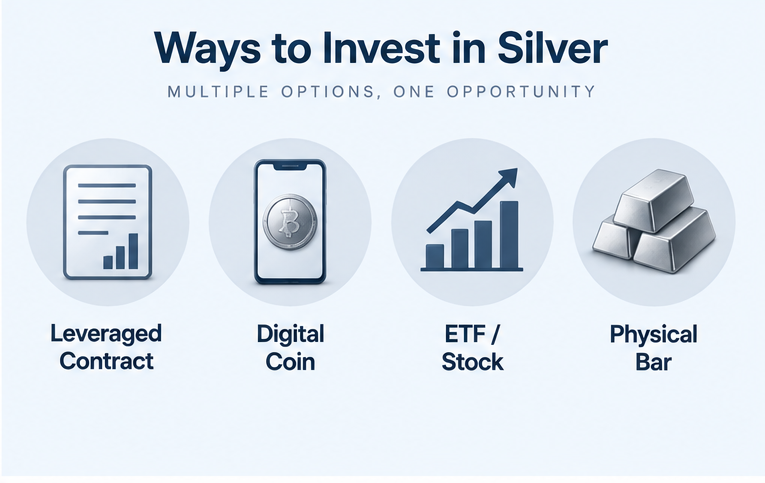
The term “silver trading online” hides several real and distinct activities in the same umbrella:
- Futures contracts for silver trading through the MCX (Multi Commodity Exchange)
- Digital silver can be purchased and sold using fintech apps
- The investment in an ETF called Silver by using your demat account
- Buy physical silver on the internet and then having it delivered your doorstep
Anyone looking for “silver online trading app” or “silver online trading price” frequently mix them up not even realizing, and is often the primary reason for confusion. Someone who trades in futures and who invests Rs500 per month in digital silver do two totally different things even though they both describe their services in the same way as “trading silver online.”
Why Are So Many Indians Searching for Silver Trading Online in 2026?
Some forces are driving the market. Demand for silver in the industrial sector -including solar panels, to electronic devices -is keeping the metal prominently in the news. Prices for gold rising to levels that seem too expensive for small investors. This has pushed many to look at silver, which is one of the “more affordable” precious metal. The truth is, the apps make it incredibly easy to get started; you can purchase a digital piece of silver worth 10 rupees within a matter of minutes.
All of this doesn’t automatically make it an investment that is beneficial to the person you are specifically. The traffic is simply explained.
Digital Silver vs Silver ETFs vs MCX Silver Futures vs Physical Silver
This is the first thing that many article writers skip. It’s what’s really important prior to opening accounts anywhere.
| Feature | Digital Silver | Silver ETF | MCX Silver Futures | Physical Silver |
|---|---|---|---|---|
| Minimum investment | As low as Rs1-Rs10 | 1 unit (varies depending on NAV) | 1 Lot (leverage-based margin) | Usually 10g+ |
| There is a leverage component | No | No | Yes, there is a high | No |
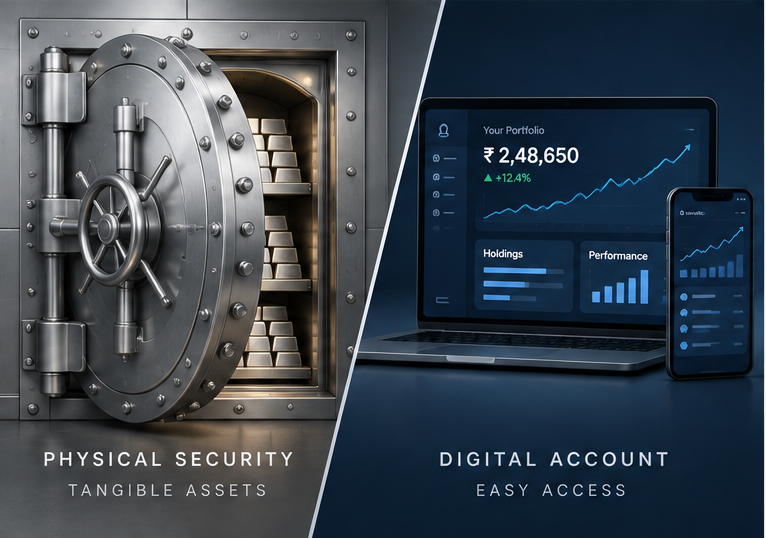
| Storage accountability | Service Provider (insured vault) | There is none (held electronically) | None | You |
| Costs for storage and/or making | Fees for small platforms | Expense ratio (~0.4-0.8%) | Costs of margin and brokerage | Charges for making, GST |
| Delivery options | Sometimes, it is above a threshold | No | However, it is not used by retailers. | Immediate |
| The best fit to be used | Affluent, small-scale investors | Long-term portfolio allocation | Active traders, comfortable with risk | Buyers who wish to hold physical silver |
| Regulation oversight | It is platform dependent, and not SEBI-regulated as an asset | SEBI-regulated | SEBI/MCX-regulated | Only standard consumer protection |
This last row is one that I would like to see everyone was paying more close attention to. Silver trading online isn’t subject to regulation by SEBI like the Silver ETF and MCX futures contracts are -You’re depending on the vaulting capabilities of the platform as well as insurance claim. This isn’t necessarily a bad thing however, it’s an entirely different risk than the one the people think of when they are told “silver trading online” and assume that all it is is a single, unregulated system.
How to Start Silver Trading Online: A 5-Step Walkthrough
If you’ve determined that you’d like to explore this This is the path to take.
- Select your preferred route initially. Pick between digital silver, ETF or MCX futures, based on the previous comparisons Don’t create five accounts only to come up with a solution afterward.
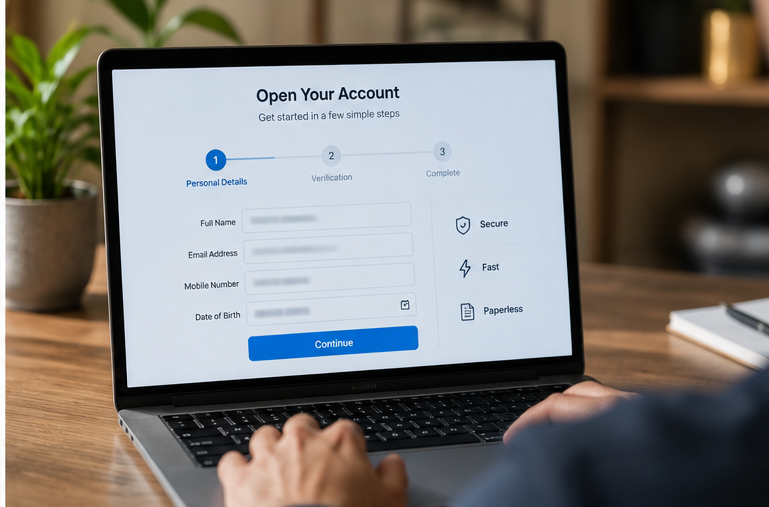
- Create the correct Account. For ETFs and MCX futures, you’ll require an account with a trading or demat using a SEBI registered broker. To buy digital silver, it’s all you need is a valid application account that has basic KYC.
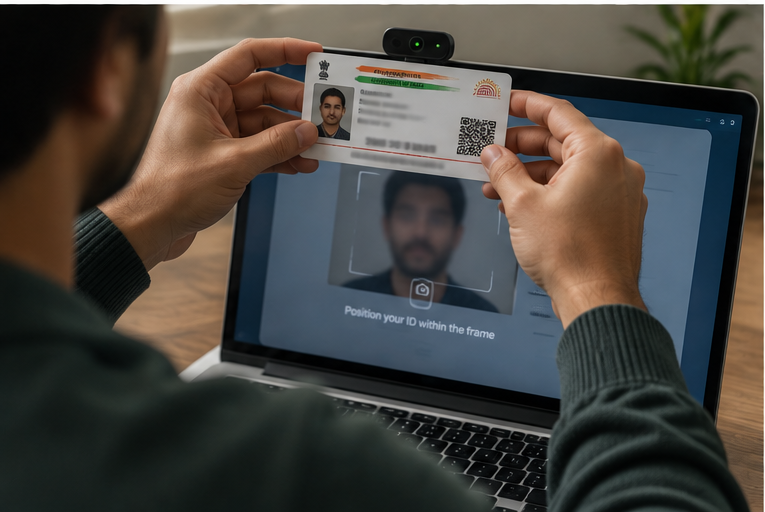
- Complete KYC correctly. PAN, Aadhaar-linked verification as well as bank account mapping, are required on every valid platform. If an application doesn’t comply with this step, it’s an indication of fraud, and not a benefit.
- Begin with a small amount and follow the online chart for trading in silver for several weeks prior to making a commitment to cash. Watching price movement with no money in the account can teach you more than any course can.
- Make a specific exclusion rule prior to buying and not later. Whether that’s a percent stop-loss for futures, or just “I’ll review this allocation every quarter” with respect to ETFsyou can decide beforehand.
Best Ways to Buy Silver Online: Apps and Platforms Worth Knowing
An easy, brief overview of the areas you’ll come across when you’re researching a online trading platform:
- Platforms that are linked to brokers (for MCX silver futures) requires the use of a commodity trading account. generally the same broker which manages the trading of your equity.
- Fintech digital-gold-and-silver apps — allow fractional buying, often bundled with gold, sometimes offering physical delivery above a minimum quantity.
- AMC as well as brokerage applications for ETFs in Silver that are purchased just as any other stocks by using your demat account as usual.
- Websites for jewelers and e-commerce for silver in physical form easy to purchase, with no need for trading However, shipping and other fees apply.
Prior to deciding on a product, you should make sure you know three things to determine if it’s SEBI-regulated (for ETFs and futures) What the exact liquidity or exit terms are (for electronic silver) as well as whether it’s the “silver online trading price” is updated real-time with the actual spot rate or is lagging behind.
Silver Online Trading Price: How It’s Set and Why It Moves
The online price for silver displayed on the majority of apps comes from spot prices for silver in the international market (quoted by USD per an ounce) which are converted to INR per gram or kilogram. Then, it’s adjusted in order to take into account GST, import duty and platform’s margin. This is why the exact “spot price” can look somewhat different between two applications in the same timeit’s not a lie but they’re simply adding additional cost to.
The movement of prices is triggered by several factors: US dollar strength, demand for industrial products (particularly in electronics and solar manufacturing) and central bank policy messages in addition to — much higher than many people think the pure speculation on exchanges for futures. Silver is significantly higher in volatility than gold when measured on an absolute basis, largely because it’s a smaller market and swings in industrial demand hit the metal more severely.
Illustration only but not a live price: if spot silver was trading at around $28-30 for an ounce globally this could mean around Rs90,000-1,00,000 per kilogram of domestic silver subject to duties. But consider any figure you see now, not including this as an example, not something you should put your money on. Always verify a live source for information such as MCX or the terminal of a broker prior to making a final decision.
Silver Online Trading Chart: Reading the Basics Without a Finance Degree
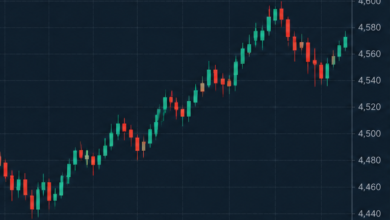
There is no need to become an expert in the field of technical analysis to reap the most value out of a silver online trading chart. There are three things you should learn in the beginning:
Levels of resistance and supportareas of price that silver historically has struggled to rise above or even fall below. The sudden volume spikes typically signal news-driven movements instead of organic trends shifting. Moving averages reduce the noise of daily trading so that you can clearly see the trends instead of being caught by every green or red candle.
It’s a fact in this article: during the first couple of months that I traded and I rely too much on five-minute charts and neglected the daily trends totally. When I was that focused and every little fluctuation appears as if it’s a major move and I took a number of mistakes that later proved regrettable due to the fact that the larger view told a much more calm narrative as compared to the charts I was gazing at.
Gold vs Silver Trading Online: Which Should You Start With?
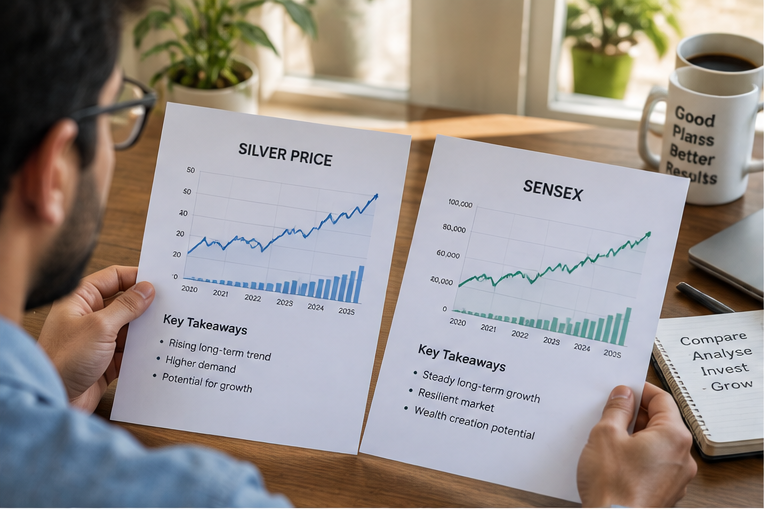
Most advice suggests that newbies begin with gold as gold is “more stable,” and do not use silver until they’ve had some expertise. It’s something I’d like to argue against slightly. Its stability can also mean smaller steps, fewer lessons and on the basis of a smaller account, just enough price action to learn the way you respond when under stress. The higher volatility of silver is an actual risk, there’s it’s not a question, but should you be looking to improve your skills quickly and with a small sum of money and a well-designed risk-managed portfolio can provide you with the most about yourself in the course of a month than even an unassuming gold account can teach within a whole year. This isn’t a recommendation to scale up impulsively, but it is an argument to start with a small, volatile position instead of big and sleepy in the event that learning is your primary objective.
Taxes on Silver Trading Profits in India
The part is often skipped over but it isn’t.
- Silver that is physical and digital silver in the event of being held or traded, is typically taxed as capital gainseither long-term or short-term, based on the period during which they are held, as per existing income tax regulations.
- Silver ETF units are taxed in accordance with capital gains rules, but which has been changed during recent budgets. As a result, the tax rate you pay is based on the fiscal year that you file for.
- MCX silver futures profit generally considered the income of a business (speculative or non-speculative, depending on the structure) but not capital gains and are taxed according the applicable slab rate.
The tax rules for ETFs and commodities have varied several times in the past few times. This article is an overview and not tax-related advicebe sure to read the current Income Tax Department guidance or speak with an experienced chartered accountant prior to making a tax filing, particularly if you’re merging futures trading and ETF and digital silver within the same calendar year.
Common Mistakes I See (and Made) When Trading Silver Online
Certain patterns appear repeatedly:
- Digital silver is treated as an account for savings instead of an asset that is volatile
- Doing nothing about the difference between the price of buy and sell using fintech apps can eat into tiny trades faster than most people think they will.
- Trading MCX futures using money they don’t have the money to lose, since the minimum entry price appeared deceivingly low
- The app’s conditions concerning the physical distribution, insurance for storage or what happens in the event that the application shuts down
These aren’t awe-inspiring errors. They’re common, repeated mistakes, which is precisely why they happen.
Is Silver Online Trading Safe? Risks You Shouldn’t Ignore
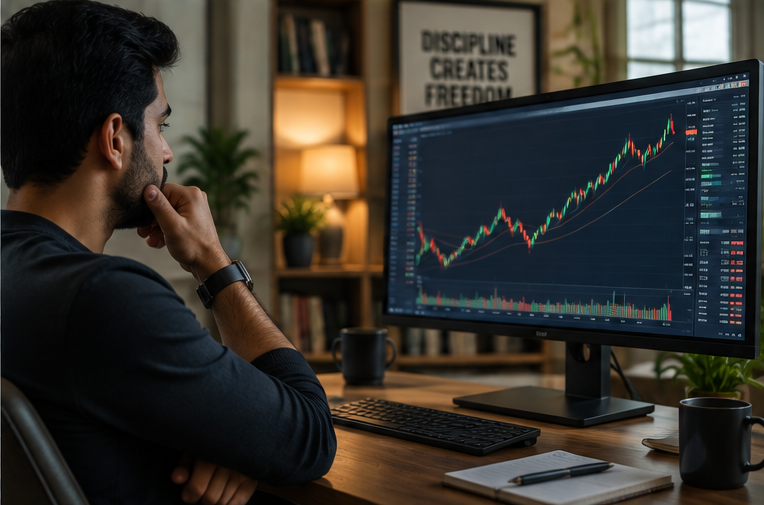
“Safe” depends entirely on what you decide to do with your money. MCX silver futures come with real risk of leverage. there’s a chance of losing more than your margin should a trade move quickly towards you. Digital silver comes with counterparty and platform risk because you’re relying on a private firm’s vaulting claim. Silver ETFs carry standard market risk plus tracking error. Physical silver is a security risk for the risk of theft, storage as well as resale-margin risks.
All of this doesn’t provide an excuse to stay away from the silver completely. This is a good reason to align your route with the amount of risk you’re willing to take — not just how much the onboarding screen of the app created the impression that it could take.
This post is intended designed for education purposes only and is not any financial or investment advice. Commodity and market-linked investment carries risk, which includes the loss of principal. The rates, tax treatment and rules outlined earlier are indicative and subject change.check the latest information with an SEBI registered consultant, MCX, or the Income Tax Department before acting.
Frequently Asked Questions (FAQs)
Are silver-related trades profitable for silver trading in India? It can be, however it’s not certain because silver has a higher volatility than gold and the profitability of silver is contingent upon the method (futures and ETFs, or electronic silver) you decide to go with and how well-organized your risk management strategy is.
How can I begin trading online in silver? Decide between digital silver, an ETF called Silver or futures MCX, after which you can open the account that is corresponding to your choice (a trader/demat account for ETFs as well as futures as well as a basic KYC-verified account on an app that holds digital gold).
How much is the minimum amount to invest in silver trading online? Digital silver can be purchased for as little as Rs1-10 for many of the apps. ETFs must have at least one unit. MCX Futures require a margin to cover a complete lot and are a greater commitment.
Are digital silver safe to purchase online? It depends on the vaulting, insurance and buyback conditions. Remember that digital silver isn’t regulated by SEBI in the same like futures and ETFs therefore, make sure you read the guidelines attentively.
What’s the distinction between an ETF that tracks silver or MCX silver futures? A Silver ETF monitors the price of silver passively via your demat account without leverage. On the other hand, MCX futures are leveraged contracts, which need active margin management. They also carry more risk and return.
What is the best way to buy physical silver using trading applications? Some digital silver apps permit conversion to physical delivery over a certain amount, however most trading-oriented platforms (ETFs and futures, and ETFs) aren’t able to manage physical delivery.
What are the tax rates on the silver trade profits for India? Physical and digital silver profits are typically treated as capital gains. ETF units are subject to capital gains regulations that have been modified since the last budgets. MCX Futures gains are usually considered business incomecheck current regulations by speaking to a tax professional.