
Have you tried searching “IBM risk management?” You might have noticed that results for “IBM risk management” don’t yield as clear-cut an overview as intended; pages discussing software programs, open positions or classes vary considerably in content – that’s because “IBM risk management” refers to more than just one thing — it encompasses OpenPages risk and compliance software (mainly OpenPages), Watsonx.governance for AI risk and its related career and training ecosystem (watsonx.governance), plus career and training ecosystem built upon both (watsonx.governance), in addition to career and training ecosystem built around both approaches (watsonx.governance).
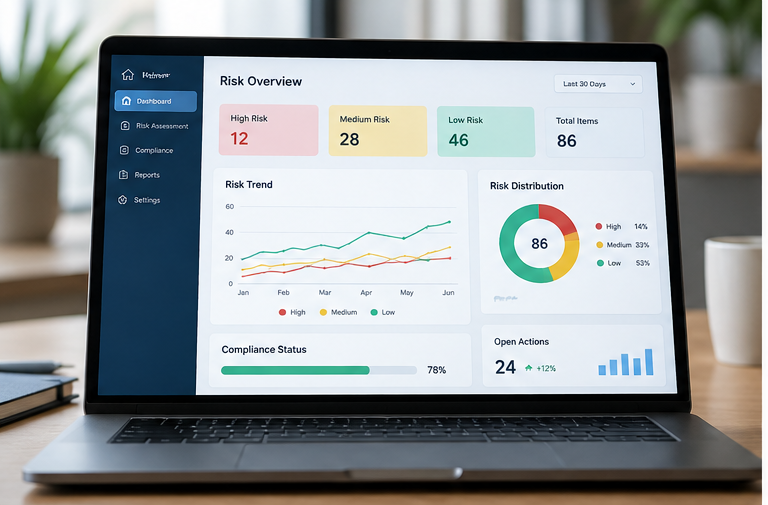
This guide presents each component separately to allow you to identify which best meets your requirements – be that looking for business software, exploring a career change option or planning how to attend school.
What Does “IBM Risk Management” Represent?
IBM does not produce an individual product called “IBM Risk Management,” however when people refer to IBM GRC portfolio, which includes OpenPages as its foundation platform they mean IBM OpenPages’ wider governance risk, compliance, and risk portfolio – commonly used by insurance companies banks large companies to manage operational risks as well as regulatory requirements, internal audits as well as vendor risk in one convenient place. OpenPages was first purchased by IBM back in 2010 before quickly becoming their most widely adopted risk and compliance software solution which helps ensure regulatory requirements, internal audits as vendor risk are all managed efficiently within OpenPages’ core.
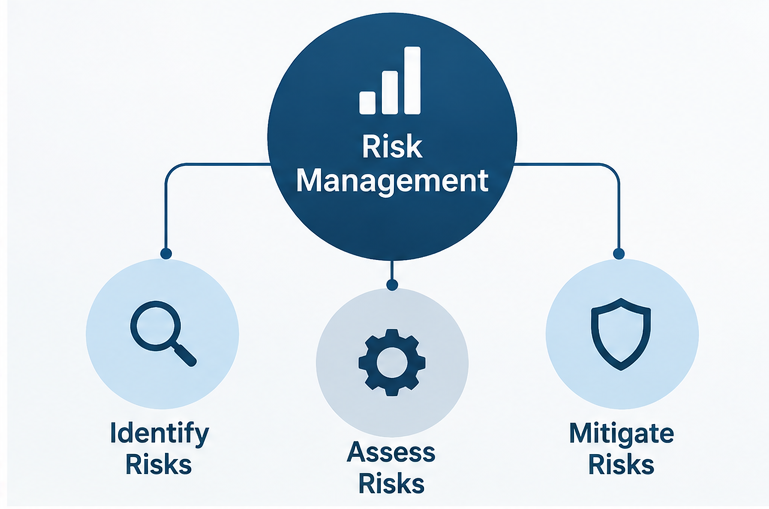
Recent efforts from IBM extend this concept into artificial intelligence with watsonx.governance, an AI governance initiative using similar risk tracking strategies specifically targeting AI models and generative AI systems. IBM stands as an enterprise in compliance and risk, as evidenced by their increasing education courses on OpenPages as well as general risk management practices.
As it can be beneficial to look at these issues as three separate yet related concerns, let us briefly look at each aspect individually.
IBM OpenPages Is A Core Risk Management Software Solution
IBM OpenPages is an IRM platform designed to unify an organization’s dispersed compliance and risk management tasks into one centralised hub. Instead of different departments tracking operational risk using spreadsheets or tools and audit findings in email threads – OpenPages consolidates them all!
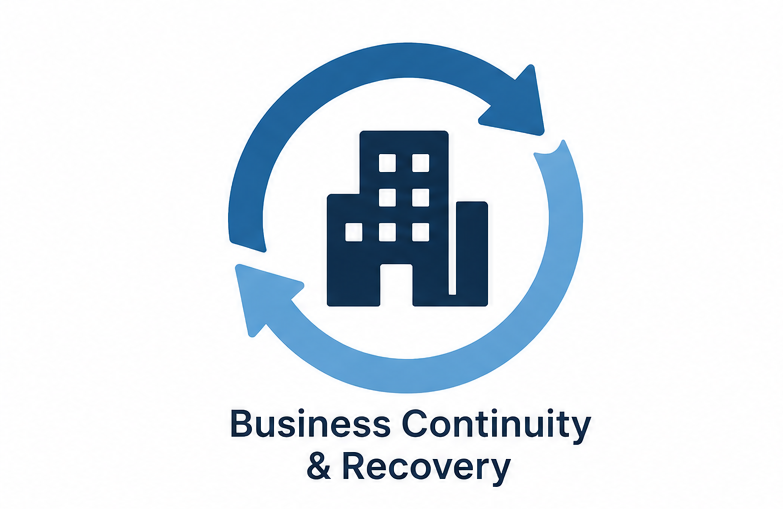
IBM describes OpenPages as an AI-powered GRC platform which incorporates automation and analytics with an centralized data repository to ensure risk data doesn’t remain fragmented among departments.
What Does OpenPages Actually Do?
OpenPages is not a one-tool solution but rather offers organizations a customizable platform. Organizations typically select only those modules they will require for optimal functioning; its main areas of emphasis being:
- Operational Risk Management (ORM): Operational Risk Management is used by banks and financial services institutions alike as an operational risk control solution that manages self-assessments of risk and control as well as key risk indicators (KRIs) and loss event tracking reporting built using IBM Cognos. Banks often utilize this module in meeting Basel-related operational risks.
- Business Continuity Management (BCM): BCM assists organisations by planning for disruptions by assessing potential operational failure in case of crisis situations and offering plans to prevent this failure from arising.
- Data Privacy Management (DPM): DPM helps organizations comply with data protection regulations by monitoring risks related to privacy as well as obligations that pertain to such protection.
- Third Party Risk Management centralizes vendor risk data such as its importance and any applicable regulations; an essential function in outsourcing-intensive industries.
- ESG Risk Management v.2 provides organizations with tools for effectively tracking environmental, social, governance and sustainability compliance risks in tandem.
- Compliance Guidelines and Policy Administration The system serves to centralise compliance guidelines while tracking how changes to regulatory framework affect business.
As all modules operate on one platform, risk, audit and compliance teams can focus on reviewing identical information throughout each quarter instead of reconciling various reports at its conclusion.
Who Really Uses OpenPages
OpenPages is designed for medium to large companies in various fields such as insurance, banking and other industries where formal risk frameworks are neither required nor desired. IBM has provided examples like Zurich Insurance Group updating their outdated GRC systems using OpenPages to create an efficient yet transparent risk management solution.
OpenPages is enterprise software with an associated price and implementation effort; thus making it not suitable for small to midsized businesses to evaluate on an everyday basis for tracking risk in basic ways. Therefore, lighter GRC tools tend to work best; in such instances where an organization already consists of various risk and compliance teams working from a unified system, OpenPages might be best choice.

IBM Watson AI Risk Management Solution: watsonx.governance
Once companies began adopting machine-learning and generative AI models into their business processes, a different kind of risk emerged that traditional GRC tools weren’t equipped to deal with. Model deviation, exaggerated outputs and hallucinations associated with AI cannot easily be included into an operational risk management spreadsheet for operational use.
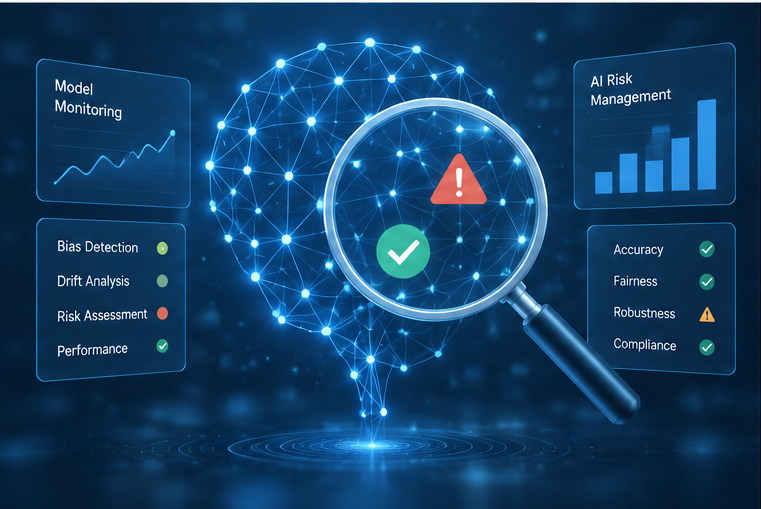
IBM offers its solution: watsonx.governance is an AI governance platform created specifically to monitor AI models and adaptive AI assets throughout their lifespan, from creation via watsonx.ai to integration with external platforms like Amazon SageMaker, Google Vertex AI or Microsoft Azure.
What exactly is Watsonx.governance?
- Monitor Your Models: Monitoring models is used to keep an eye on accuracy, shift, and bias of model deployment over time, rather than when first beginning testing.
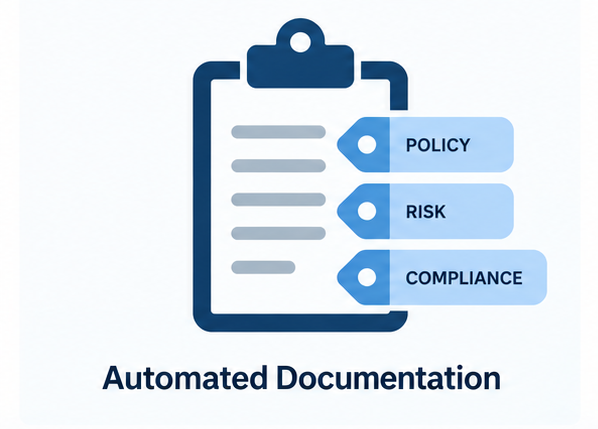
- Factsheets on AI: Our AI systems automatically record metadata about models throughout their lifespans, which provides evidence during reviews from regulatory or audit authorities.
- Compliance and Risk Workflows: Governance consoles allow teams to coordinate AI usage cases with business procedures and specific regulations, including frameworks like EU AI Act or standards such as ISO 42001 or NIST AI Risk Management Framework.
- Integration with OpenPages: Organisations which already utilise OpenPages for traditional governance functions will find that watsonx.governance extends this approach for AI-specific risk, without needing separate systems or platforms.
IBM has published numerous case studies that illustrate real world benefits, with IT services firm Infosys noting an increase in efficiency following implementation of watsonx.governance for thousands of AI applications. While these numbers come directly from IBM or their associates, these reports demonstrate how this technology is actually being employed within businesses rather than remaining as theoretical products.
Indian IT and BFSI firms that increasingly deploy AI into back office processes as well as customer facing ones have witnessed AI risk management become the fastest growing component. A large proportion of this interest focuses on AI governance rather than traditional GRC.
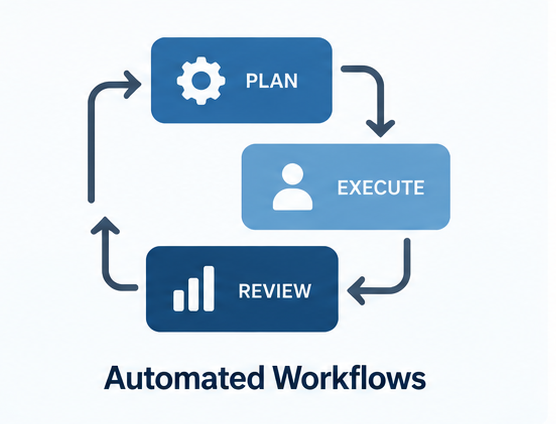
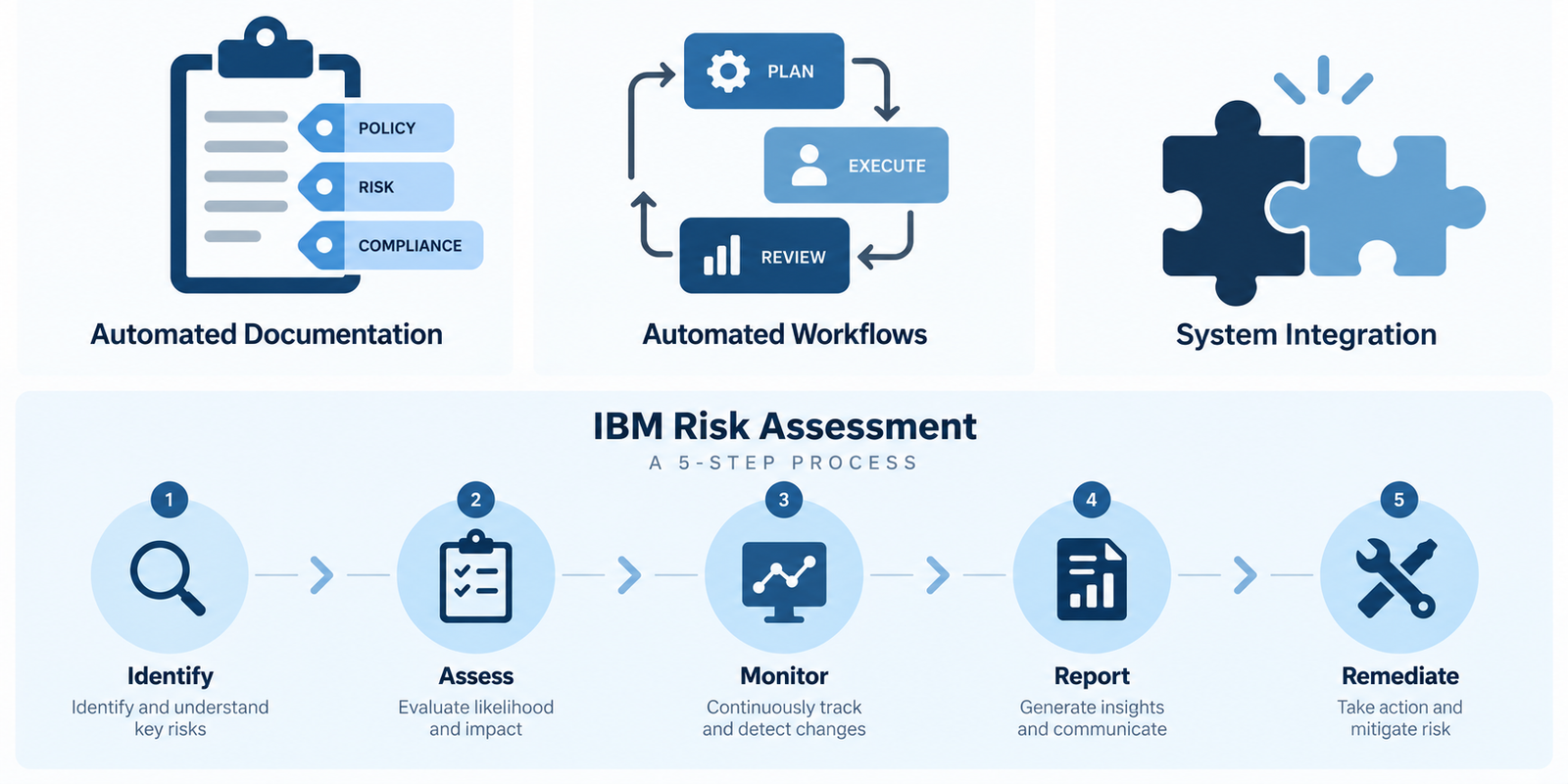
IBM Risk Evaluation Process Outlined in Step by Step Step Approach
No matter the product (OpenPages or watsonx.governance), IBM tools implement risk assessments based on risk management processes and are an integral component in risk assessment logic.
- Find Risks are recorded regardless of their source: operational issue, conformity gap, vendor problem or model performance issues.
- Assess Each risk is assessed on its likelihood and impact against predefined key risk indicators (KRIs) that were developed before.
- Monitor Automated alerts or dashboards that show changes in risk can provide timely updates rather than manual reviews being necessary for continuous surveillance of such changes.
- Report Structured reports are distributed to management, auditors or regulators for review. Each document comes complete with an audit trail detailing what has been accomplished since their last reporting session.
- Remediate issues identified and resolved via corrective actions taken are documented within each report.
IBM platforms offer this relatively routine process the added advantages of centralisation and automation – decreasing how heavily this method relies on spreadsheets, manual work and disengaged teams.
IBM Risk Management Framework: What Exists Officially?
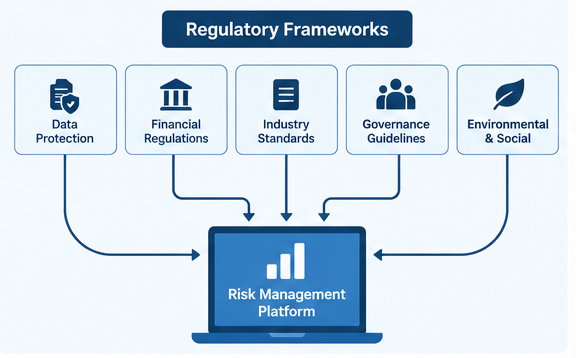
IBM doesn’t put out a standalone risk management framework the way COSO or ISO does. Instead, its tools are built to stay framework-agnostic — OpenPages and watsonx.governance are both designed to plug into whatever framework your organization already runs on, whether that’s Basel II/III in banking, HIPAA in healthcare, GDPR for data privacy, or even a newer AI-focused standard like ISO 42001.
So really, when someone types “IBM risk management framework” into a search bar, they’re usually after one of these:
- How can I configure OpenPages and watsonx.governance so as to match their organization’s existing structure or framework?
- As detailed above, IBM has implemented its risk management general methodology (identify risks, assess their impact, track them over time and report back before remediating) in their general methodology for risk management. This strategy involves four stages (identify risks, assess impactful measures to manage them effectively, track reports of progress made toward managing those risks then remediate).
- If your company requires help in mapping its operations to specific regulatory frameworks, contacting both IBM and an implementer might be useful. The configuration depends on both industry and jurisdictional considerations.
IBM Risk Management Jobs in India
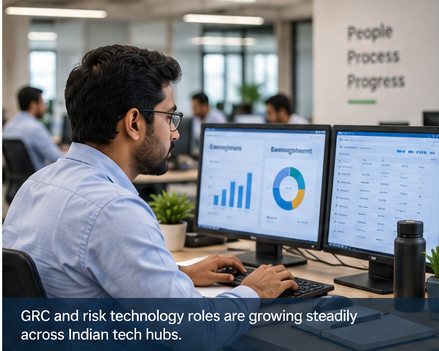
IBM Risk Management Tools have enabled an active and competitive employment market for job hunters in India that relies solely on internal hiring by IBM itself. Two main job categories exist here.
1. These roles lie with IBM itself and include security as well as risk and compliance duties across India offices – with particular attention on cities like Bengaluru, Pune and Hyderabad.
2. Other companies offer OpenPages-related positions which may prove more lucrative, due to its complex configuration process requiring detailed knowledge in administration and configuration; in addition, multiple roles within implementation and consulting have developed around this software platform; job postings will often include names such as:
- OpenPages Consultant, Developer, Administrator or Lead Administrator and GRC Analyst in OpenPages is sought. Additionally, Senior Software Engineer – IBM OpenPages will also be considered.
- Assistant Vice President Engineering in financial institutions and banks companies; generally responsible for OpenPages software engineering projects.
- Roles associated with OpenPages deployment for enterprise clients can be found throughout Hyderabad, Gurugram, Pune and Bengaluru, typically at insurers, banks IT services companies and consulting companies that have implemented it not just within IBM itself.
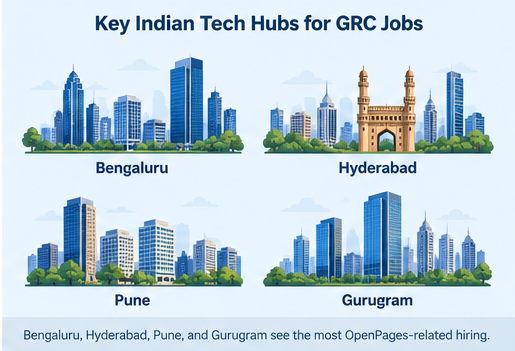
When considering becoming one as a potential career choice it would be more appropriate to look up specific titles of products associated with risk management rather than general terminology when searching.

IBM Risk Management Courses and Certification
If you want to develop your capabilities in this area, it can be useful to identify two distinct courses.
1. Product-Specific OpenPages Training
Courses that focus on configuring and managing OpenPages such as security rules and grid views, workflow configuration and report design. IBM provides official training including “IBM OpenPages: Technical Essentials,” while third-party training providers often offer classes to become experts or administrators for OpenPages. Most don’t require GRC experience with software but rather require an understanding of business software concepts to enroll.
2. General Risk Management Courses
There are also general risk management classes which provide an introduction to analysis, risk detection and mitigation plans – without depending on any particular software – making these great courses for those just starting their careers and want a solid background knowledge before diving deeper into something like OpenPages.
Notably, unlike some IBM technical offerings, there is no universally recognized “IBM Risk Management Certification”, similar to AWS or Azure certification processes. Certificates from training partners of IBM Training may help demonstrate hands-on experience when seeking employment; pairing these certificates of completion with actual setup experience or practice environments will make an impressive case that employers looking for OpenPages positions value experience over certification alone.
IBM Risk Management vs. Other GRC Tools
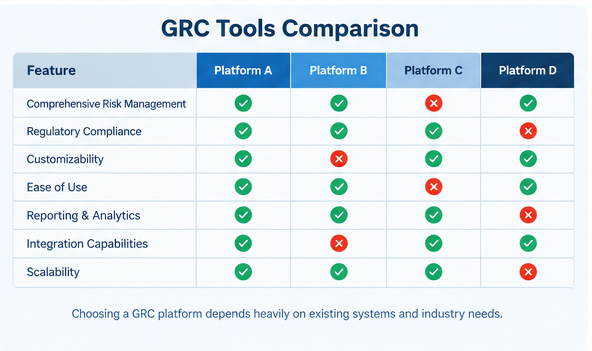
IBM GRC offerings should be evaluated against alternatives like ServiceNow GRC, SAP GRC, MetricStream or LogicGate to gauge their relative strengths and weaknesses. While we don’t claim to have experimented with them firsthand and in depth, some widely reported differences are worth keeping in mind:

- OpenPages will likely appeal to companies which need complex yet flexible modules for large risk management programs in insurance and banking and who have no problem waiting several weeks or months to implement their solution.
- SAP GRC is often an ideal fit for businesses already integrated into the SAP ecosystem as its integration is tight with all other enterprise systems provided by SAP.
- ServiceNow GRC attracts businesses that already use ServiceNow for IT service management, looking to incorporate risk and compliance management as part of that workflow within that same platform.
- Watsonx.governance stands out because it was specifically created to address AI-specific risks – something many competitors aren’t quite doing yet.
At the end of the day, picking a GRC tool comes down to what systems you’re already running, what your regulators expect, and what your budget allows — there’s no single tool that works best for every industry or every team
(FAQs)
Does IBM OpenPages Equal Risk Management? Not exactly. While OpenPages is IBM’s primary software solution to oversee risk, governance, and compliance management – and thus commonly associated with “IBM risk management”, its activities extend far beyond this term; for example: watsonx.governance provides AI risk oversight alongside career training opportunities and career advancement pathways.
Are OpenPages appropriate for small-scale enterprises? In general no. OpenPages is designed for enterprise use in highly regulated fields like insurance and banking and tends to be preferred by larger organizations, while typically more suitable GRC software solutions exist for smaller entities.
What sets OpenPages apart from watsonx.governance? OpenPages manages traditional enterprise risk and compliance management functions such as operational risk policies, operational risk monitoring, third-party risk mitigation and audits; watsonx.governance was specifically created to control AI machine risks through bias monitoring as well as regulatory compliance for AI systems.
Are there any IBM certifications in Risk management? While IBM provides technical training on OpenPages such as “Technical Essentials,” as well as third-party vendors providing classes in configuration and administration. Unfortunately there isn’t an unofficial, universally acknowledged certification track comparable to what cloud certification tracks offer – therefore the practical experience gained during hands-on training outweighs just earning certification itself.
What type of jobs require IBM OpenPages expertise in India? Typical tasks performed with OpenPages in India involve OpenPages consultant roles, OpenPages Administrator duties, GRC Analyst analysis as well as Senior Software Engineer positions focused exclusively on OpenPages located primarily in Bengaluru, Hyderabad Pune or Gurugram offices for banks insurance companies IT service firms or consulting firms.
Does Watsonx.governance support AI models developed outside of IBM? Yes. Watsonx.governance was specifically created to manage models from different sources – like Amazon SageMaker, Google Vertex AI, Microsoft Azure as well as its own watsonx.ai platform – rather than only those from IBM itself.
What’s the typical learning timeframe for OpenPages? This depends heavily on where you begin from; those with previous GRC and compliance experience might require less instruction before being able to use the platform while those brand new to risk management and enterprise software may take longer. Furthermore, exact course timings depend on both provider of training as well as your previous experiences so it would be wise to contact their service directly for an estimate timeframe.